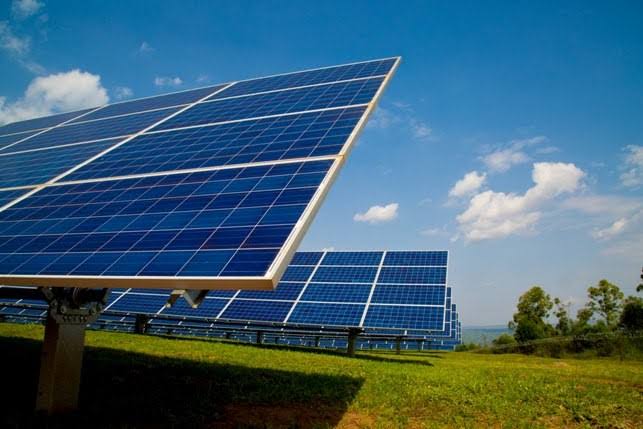
Bifacial solar panels, an innovation that once struggled to gain traction, are now poised to transform the solar energy industry. Thanks to recent advancements in heterojunction technology (HJT), these two-sided panels are being heralded as a breakthrough in the quest for more efficient renewable energy. The Rise of Bifacial Panels Traditional solar panels have been the mainstay of renewable energy, converting sunlight into electricity with increasing efficiency over the years. However, these panels capture light on only one side, which limits their overall energy output. Bifacial solar panels, on the other hand, are designed to absorb light from both the front and back, potentially doubling the amount of energy they can generate. This innovative design makes use of light reflected from surfaces like snow, sand, or even the white roofs of buildings, providing an extra boost in power production. Despite their potential, bifacial panels were initially hindered by high production and installation costs, which kept them out of reach for many consumers. A Technology Reborn The revival of bifacial panels can be credited to advancements in heterojunction technology. Pioneered in the 1980s by Sanyo, this technology combines two types of silicon—crystalline and amorphous—to create a more efficient solar cell. Crystalline silicon captures low-energy photons, while amorphous silicon captures high-energy photons, resulting in greater overall efficiency. Recent developments have pushed these efficiencies even further. Italian energy company 3Sun EGP demonstrated in 2020 that their bifacial HJT modules could exceed 24.5% efficiency. Since then, manufacturers like China’s Maysun have introduced panels that achieve over 25% efficiency, thanks to larger cells and tougher glass. Applications and Advantages The new generation of bifacial panels is particularly suited to environments with high reflectivity, such as snowy regions or deserts. In these settings, the panels can capture additional light from the ground, significantly increasing their energy output. Even in urban areas, bifacial panels installed on rooftops can harness reflected light from surrounding surfaces, making them a versatile solution for various locations. Agriculture is another promising field for bifacial panels. By installing them above crops, farmers can generate electricity while still allowing sunlight to reach their plants. This dual-purpose approach not only improves land use but also provides a sustainable energy source for rural communities. Challenges and Future Prospects Despite their advantages, bifacial panels still face challenges, primarily due to their higher costs. The most efficient versions, which use glass on both sides, are also the heaviest and most expensive. However, as production scales up and technology advances, costs are expected to decrease, making bifacial panels more accessible. In addition, the integration of smart algorithms is helping to optimize the performance of these panels. Companies like Soltec are developing software that calculates the ideal angle for panels based on real-time light data, maximizing energy capture and ensuring efficient operation. Bifacial solar panels, once an overlooked technology, are now on the cusp of widespread adoption. With their ability to generate more energy and their suitability for various environments, these panels represent a significant step forward in the global shift towards renewable energy. As the industry continues to innovate and drive down costs, bifacial panels could soon become a common sight in solar installations around the world Caption. Traditional solar panels have been the mainstay of renewable energy, converting sunlight into electricity with increasing efficiency over the years.
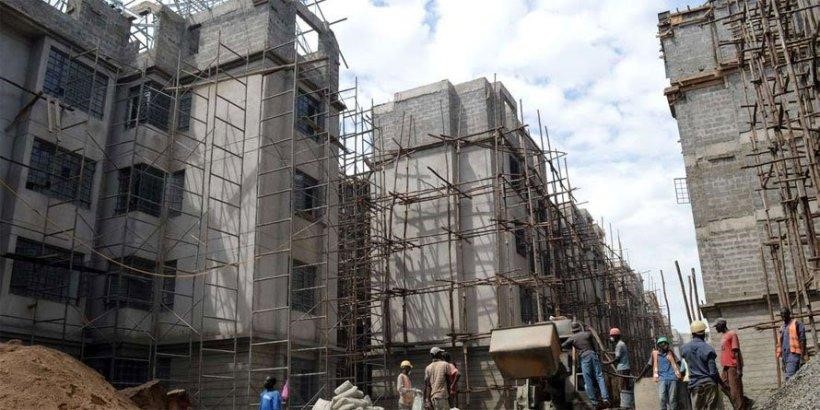
Due to the rise in prices of materials, construction in the real estate sector has not been easy lately. There has been a rise in cost in labour, equipment, transport, and civil engineering. Data from the Economic Survey 2021 shows that the overall construction index increased by 0.3 percent from 102.37 in the third quarter to 102.64 in the fourth quarter of 2020. There were evident increases in the indices of materials and labour that grew by 0.1 percent and 0.5 percent, respectively, while the index of equipment remained constant at 99.80 in the same period. The Kenya National Bureau of Statistics (KNBS) confirmed that the rise in the material index was as a result of the increase in prices of steel bars, machine cut stones and timber. When the demand for the materials increases especially post- Covid- 19, the index will rise higher. Steel has gained a high demand this year causing its price to rise sharply by 50 per cent globally. Real estate owners are shocked by the sudden increase which has been caused by high demand and supply chain disruptions in India and China due to Covid-19. A ton of steel bars that was initially Sh40,000 is now Sh81,000. This is according to data from the London Metal Exchange. On the other side, in the status of the built environment report, the Architectural Association of Kenya (AAK) said that a kilogramme of construction metal had risen to Sh125 from the initial Sh85. This will automatically lead to higher costs for builders, developers, real estate owners and real estate builders, especially those who had already signed contracts that puts into account the previous lower prices of the materials. Steel is an important component in the construction industry and must be used in the construction process. It is used to make roofing sheets, reinforcement bars, steel beams and columns, windows, and doors, and other products, since it is widely used, it means that any change in the price of steel, means a change in the cost of projects. In this case, the change is an upward increment which will lead to higher cost of construction, which will in turn weigh down the real estate sector.
Following the signing of a land agreement with Konza Technopolis Development Authority, the National Housing Corporation is set to build 5,000 homes at Konza City in Machakos County. Konza City, which is a slowly developing technology city in Machakos county will experience a major milestone and will greatly benefit from the construction of the affordable housing. Apart from Machakos county, NHC has also signed deals with other counties including Laikipia, Murang’a, and Kiambu to construct affordable housing in the respective counties. In Kiambu for instance, the state corporation has signed a deal that will see the construction of 2,000 affordable homes in various parts of the county. In Ruiru, the project is expected to deliver 500 units by the end of the year. This will be the first batch. The remaining 1,500 are expected to come up in Kiambu town, Thika, Migaa and other areas. To cut construction cost, the NHC highly relies on EPS, new technologies, which according to the state company, can save up to 30 per cent on total building costs while reducing the construction period by up to 50 per cent. The construction will be done in phases, phase one of the Konza Technopolis Urban Residential Housing involves construction of 100 units within the proposed technology city. The project will cost Ksh400 million. Since the country has been experiencing growth in local and international investors with interest in the development of affordable housing, the project could gain funding from the investors. The investors include UK Climate Investments (UKCI) and FSD Africa Investments (FSDAI) who confirmed a Ksh5 billion funding commitment to a local green affordable scheme. The venture has so far received 100 per cent of its targeted Ksh9 billion investor backing for the first close making the locally managed fund operational this year. The targeted 10,000 housing units using green housing technologies will provide affordable ownership and rental opportunities with 100 per cent ownership at an average price of Ksh4.5 million and rentals ranging from Ksh15,000 to Ksh50,000 a month
Achieving 100 per cent health coverage for each Kenyan is one of the major projects under the ‘Big Four’ pillars of Kenya’s transformation agenda in helping realize and actualize vision 2030. Health is wealth and a country with healthy people is also productive and wealthy. Kenyatta University is determined to make this plan be successful through Kenyatta University Hospital. Launching the New KU Centre that eyes cancer treatment is clearly a good sign that we are headed towards the right direction. Kenyatta University is not only a referral hospital but also moving towards helping deal with the puzzling menace, cancer, that has continuously left us sad, lonely and penniless by stealing from us our loved ones and leaving us with huge bills to clear. The institution wants to get involved in two ways. It will host the National Conference on Cancer Management for the first time later this year, at the University Amphitheatre. The theme of the conference will be ‘The Fight Against Cancer: Where Are We?’ The aim of the conference is to engage experts to debate strongly about the ugly malady, cancer, and to come up with different approaches in going about it. The country has mourned enough of its heroes and hopefully this will be the light at the end of the tunnel. The second involvement of the university is to offer comprehensive care to Kenyans by building a Molecular Imaging Centre (MIC). This is in partnership with the General Electric (GE). The MIC is a unique project as it will the first in Kenya and the third in the entire Africa after the ones in South Africa and Egypt. The MIC will ensure that there is efficient cancer screening and diagnosis in the East African region. Prevention, screening, early accurate diagnosis, treatment, survivorship and supportive care will be established and Kenya will be compliant with comprehensive cancer care according to World Health Organization terms (WHO). The goal is to ensure that Kenya becomes the premier regional cancer treatment centre and join the first equipment responders in the region. The Management Equipment Services (MES), which has previously been used successfully by the Ministry of Health will be used to deliver the project. It will run over seven years. It has helped in delivering quality and reliable healthcare services across the country and is the model that is trusted to be used again. The MIC is a mega project and it will be complete with a bunker and a cyclotron (a particle accelerator machine) capable of producing radioisotopes that can support 20 to 30 cancer centres in Kenya. A big win to the health sector. Incorporation of modern equipment and honouring the developments in technology will lead to providing quality health care services with speed hence saving lives. This includes the modern equipment from X-ray to CT, MRI and Pet which have the capacity to detect cancer at a tender stage and give a chance for treatment. PET (Positron Emission Tomography) scan not only shows images but also shows how the body is working, it provides information about blood flow and how the body uses oxygen and sugar. This is quite elaborate and helps unveil a lot about the body for proper diagnosis in case there are any symptoms. The Molecular Imaging Centre will also provide an avenue for advanced research using the most updated equipment and advanced technology, which is one of the university’s needs. According to medics, cancer, if detected at its early stages, is curable. There has been a hindrance to the treatment of cancer in the East African region, leaving the region with the only option of digging graves for cancer patients. The KUH MIC project is therefore necessary and should be treated with urgency as it will solve the region’s tragedy by providing accurate and early cancer diagnosis and follow up with PET scanning as opposed to the existing inadequacy in equipment reducing the survivorship to 30 per cent. With the current statistics, less than 30 per cent of patients with detected cancer survive in Africa, compared to more than 95 per cent in Europe. This shows the importance of molecular scanning in helping save more cancer patients. It should be noted that Kenyans spend up to Sh8 billion annually seeking cancer treatment overseas. This huge amount of money could easily be used locally to enhance cancer research, diagnosis and treatment. The MIC will help to save foreign exchange while attracting in-bound medical tourism and, therefore, generating income for Kenya and boosting the economy as well. In the field of cancer care, KU will not only be a leading teaching institution but will be popular for upbringing professionals in the field of cancer research across the region. Kenya will also go down in history as it will provide leadership in the field in the entire East African Region. The pain and tears of cancer patients and their affected families is about to be wiped out since the facility is 98 per cent complete. Once it is completed, treatment will commence immediately. The KUH MIC is the good news we have been yearning for as it will go a long way in supporting cancer treatment and care, hence putting a smile on the faces of suffering cancer patients.
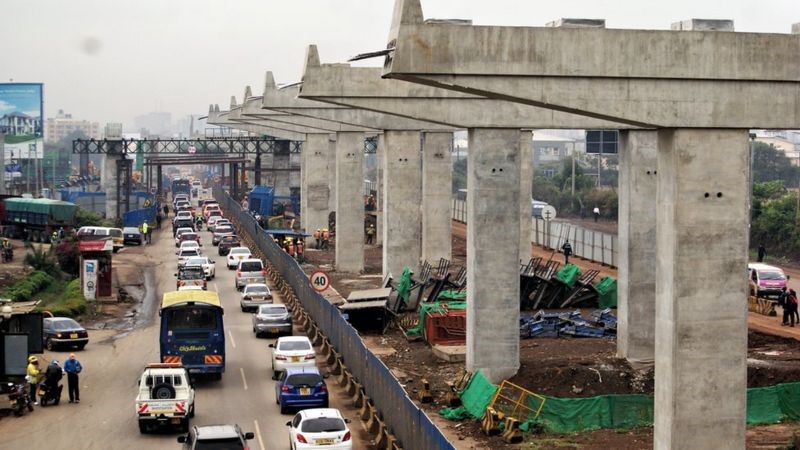
The Sh62 billion Nairobi Expressway is now 64 percent complete and is expected to be fully in use by April 2022.The Transport Cabinet Secretary (CS) James Macharia confirmed that it is now 64 per cent complete, and will be commissioned by the president in 6 months. According to the CS, the expressway is headed toward the right direction and his confidence in the project clearly states that it is progressing well and it will be ready for use early next year. He said that test runs on the road will be in March 2022 since the contractors are expected to complete the construction work by February 2022. After visiting the site to check the progress of the project, Macharia stated that the work will be completed in two years instead of the earlier stated four years. The contractors worked very hard, 24 hours a day, under tight security and this helped shorten the project period. The Expressway is a big progress project and it should not be seen just as an infrastructural project. When infrastructure and especially roads are developed in a country, many sectors benefit and most operations of a country become easier, this is what the expressway is about. It will not only ease transportation but will also move labour and capital much faster from one point to another. Nobody feels good when almost half of their productive time is spent on the road, well, the 27.1 KM Highway from Mlolongo through Uhuru Highway to the James Gichuru junction in Westlands, Nairobi Expressway is just about to help you save your time. Immediately it is completed, the time taken to travel from Ruaka to JKIA (Jomo Kenyatta International Airport) will take a maximum of 30 minutes instead of the normal two to three hours. Agricultural produce from Kiambu will take less than an hour to get to JKIA and to markets in the city. It should be noted that the backbone to every economy is good infrastructure and the project is worthy of praise as the citizens will reap the benefits. Kenyans should appreciate the good work that the government is doing in developing the transport sector with no debt incurred as the Expressway construction is purely Public-Private partnership. The China Roads and Bridge Corporation(CRBC) is responsible for designing, financing and building the expressway, and will maintain and operate it during the whole period. One cannot crave or enjoy the roses and avoid the thorns that come with it. Similarly, the Expressway project which commenced in late 2020, has come at a cost for businesses and residents along Mombasa Road. In order to get access to the expressway land by KeNHA (Kenya National Highway Authority) residents, property owners and business owners had to be evicted. This disrupted their day-to-day lifestyles. Motorists using both Uhuru Highway and Mombasa Road have also been forced to use alternative routes as construction work continues to create tragic traffic. This is a challenge especially during the rush hour to get home before the curfew time that was imposed in 5 counties, a move to help curb the spread of Covid- 19. The situation is however temporary as the project will ensure easy flow of traffic. So far, the contractor has spent Sh40 billion of the Sh62 billion budget which is meant for completing the whole project. This is a commendable achievement since the project started late last year.
The Sh20 billion Mwache Multipurpose Dam project in Kwale County that has been delayed for over six years is finally set to start on November 1st and will take 40 months to be completed. The delay has mainly been caused by compensation disputes between the locals, leaders, and the government. More than half, marking 77 per cent of the residents have been compensated already by the government and are expected to relocate to create space for the project to begin, the residents have confirmed their readiness to relocate after receiving compensation, the rest of them are still waiting to be compensated by the end of October. The critical project is expected to generate water to be supplied in Mombasa and Kwale Counties, that have been facing inadequate clean water supply. Water is a very vital part of life and the residents of these counties should start celebrating as the project will see them enjoy clean and surplus water distribution. At least 16,000acres of land is needed, which means that around 12,000 people will be displaced for the World Bank co-funded project to be implemented. The Fungulani people will have to adjust to the changes that will be brought by the project since the displacement is nothing compared to the joy that awaits them. Kinango Sub-county, where the construction will take place will finally find rescue from drought. According to National Lands Commissioner (NLC), Kazungu Kambi, the 84 meters high project will produce at least 186 000 cubic meters of water per day for Kwale, Mombasa and Kilifi residents. He expressed his appreciation to Kwale County government for their continued support in every step towards keeping the project afloat. The support brings hope and a successful project can be foreseen. Initially, there were issues that brought delays as, Mr. Mvurya, Kwale county governor sought Water Cabinet Secretary (CS) Sicily Kariuki’s intervention over the compensation issues arguing that the local government had been side lined in key decision-making processes. After realizing that the project will not only be a boost for agribusiness through irrigation but will also improve the economy of the country, the issues were solved and the project will soon kick off. The government also launched the construction of Dam, earlier this year in Kwale County. Upon completion, the dam will relieve at least 40,000 residents who will be supplied by the clean water from the dam.
Which is the right lighting for your room? Choosing the right lighting improves and promotes productivity, makes you comfortable and at peace. Everyone has a craving to relax and to be comfortable in their own space, which is why you need to invest in proper lighting, it creates a bond between people, and brings happiness as it enhances closeness among people. Think about having the right light in your bedroom, sitting room, kitchen, study. Good moods will be enhanced. Light fixtures can end up being the focus point in a room. How one physically feels in a room greatly depends in lighting. Minimal, quality light is recommended. Too much light can be dangerous. Both natural and artificial light should be taken into consideration when designing your space. Matching light levels to the work being done is important, you need the right quality and right amount of light. You need a brightly lit cooking space- kitchen and not so bright light for reading, a lamp would be good. Lighting is so powerful and can be used to manipulate space and hence affect the feeling in the space. It also affects how we interpret textures and colours, but only if it is done properly.
Biogas continues to be mentioned as a cost effective, clean, green energy that is a most preferred alternative to turn to as a result of the increase in price of fuel leading to exaggerated cost of cooking gas and Liquified Petroleum Gas. (LPG). It is however limited since not everyone can benefit from it as the gas majorly depends on regular distribution of waste products from domestic animals like cow dung, pig droppings. This makes zero-grazing, dairy and pig farmers to fully and easily benefit from the option as they get the raw materials free of charge. The readily available clean, green energy is only costly at the initial stages of installation of bio-digester receptacles up to the houses which is a one-time procedure and cannot be compared to the cost of petroleum gas or cooking gas. The bio-digester is the receptacle that stores the methane gas produced from animals’ wastes. Biogas is eco-friendly, reduces soil and water pollution, it involves the use of few technological advances, hence not complicated to use. Improper installation of the bio-digester receptacle can however lead to blowing up with severe damages which can be prevented and cannot be compared to its cost effectiveness. Since farming is wide spread across the world, methane use from farming activities is highly encouraged to help solve the problem of green waste in markets. The effluent from bio- digesters can still be used as manure hence nothing goes to waste, the soil also benefits and gains fertility. There are companies in Kenya that deal with installation of bio-digester receptacles hence this is not a new concept in Kenya. Citizens and institutions are however urged to use biogas for clean energy and even if they do not have free access to the animals’ wastes, they can get them from nearby slaughter houses at a fee. Citizens and farmers who have been using biogas for cooking and lighting have greatly benefited and do not have any regrets of using it. They have no dream of turning back to other sources of energy. The merits outweigh the demerits and since nobody wants to spend more money on cooking and petroleum gas, with the tough times brought to the economy by Covid-19, biogas is the immediate remedy, and one can get the raw materials free of charge. Kenya is making efforts to use clean energy like wind power and geothermal, farmers should therefore feel challenged to use little or no cost at all for energy and especially during these tough economic times of price increment in fuel products.
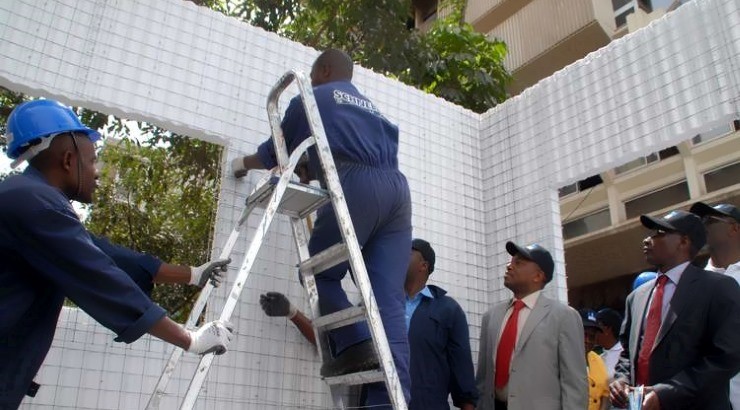
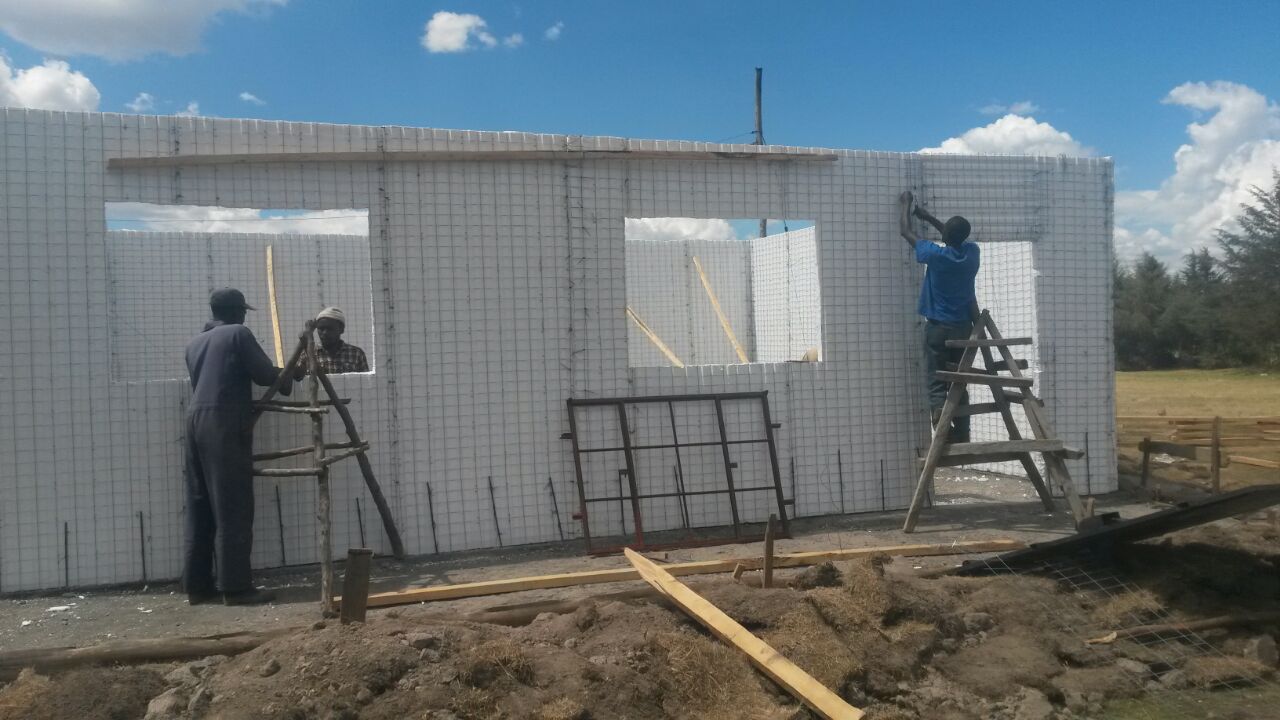
In Kenya, real estate developers are increasingly turning to innovative construction methods to address the mounting costs of building projects while upholding structural quality. Among these pioneering techniques is the utilization of Expanded Polystyrene (EPS) construction, a process that involves the assembly of houses by incorporating EPS panels sandwiched between steel wire mesh and enveloped with concrete on both sides. EPS panels, composed of solid beads of polystyrene, are produced in a factory and then transported to the construction site for assembly, significantly curbing material wastage and thereby reducing costs. A typical 100-square-meter, two-bedroom house requires approximately 70 panels, each weighing 15 kilograms, which means an entire house can be transported in a single lorry load. Construction Efficiency According to Kenrick Miako, a director at Mikooh Exquisite Ltd., a company that has successfully utilized EPS panels in the construction of flats in Rongai, this innovative technology has allowed them to slash their construction expenses by 25% while halving the construction timeline. Miako emphasizes, “This technology not only reduces labor costs and construction time but also demands less reinforcement due to its lightweight nature. Additionally, it offers savings in the foundation phase.” These lightweight panels are employed in erecting walls, stairways, floors, and perimeter walls. Bricks are only used in the foundation, with EPS panels taking over from there up to the slab, resulting in superior structures and enabling high-quality finishes. Multi-Story Structures Remarkably, despite their lightness, modular houses built with EPS technology are robust enough to withstand natural disasters more effectively than those constructed with traditional materials. EPS technology can be extended to the construction of buildings up to 20 stories high. Mike Juma, an engineering technologist at the National Housing Corporation (NHC), explains, “Buildings collapse primarily due to their own weight. EPS is exceptionally lightweight and possesses a superior strength-to-weight ratio compared to conventional building blocks.” With a 35mm concreting of EPS panels and 15mm plaster finishes on both sides of the wall, the result is a thickness equivalent to a standard 9×9 building block. Juma further states that a four-story building without columns or a double wall panel project ranging from 11 to 20 stories without columns can be accomplished. “For buildings with frame structures,” he adds, “the height can be virtually limitless as EPS panels can be used as filler materials.” In 2011, NHC established an EPS panel manufacturing facility in Mavoko, Machakos County, and has since employed EPS technology in the construction of residential flats nationwide. They have also collaborated with private investors across the country who have adopted this cost-effective technology. Construction Costs Regarding the cost of EPS building technology in Kenya, Juma notes that panels are produced in various modules and variations of wall and slab panels, each with differing price points. For instance, a builder can construct a wall using EPS panels for approximately KES 1,800 per square meter and a slab for about KES 2,350 per square meter. This translates to approximately KES 600,000 for a studio flat and around KES 1.5 million for a standard two-bedroom house. While the adoption of EPS panels as a construction method is relatively new in Kenya, it has been widely utilized in developed countries for years due to its durability, lightweight nature, ease of installation, and cost-saving advantages. Other benefits include thermal insulation, maintaining comfortable temperatures, high resistance to fire and other hazards, and structures that are soundproof and impervious to termites, rodents, and other pests due to the material’s lack of nutritional value. Drawbacks Nevertheless, one notable drawback of EPS technology is that polystyrene is an oil-based product that isn’t easily recyclable on an industrial scale. Consequently, EPS foam waste often finds its way into the environment, where it remains non-degradable, breaking down into harmful particles over time, posing risks to both humans and animals.
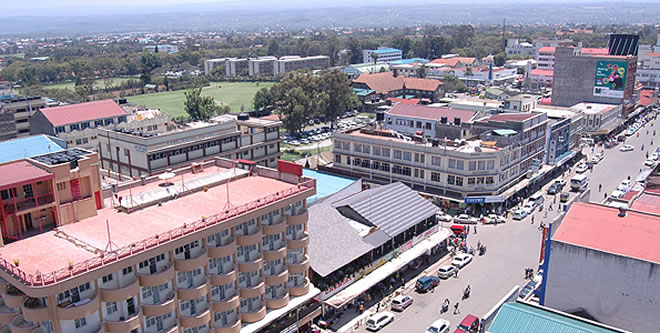
By Majangah Larmy Naivasha is swiftly emerging as the next frontier for investors, both local and international, who are eager to seize the opportunities this charming town has to offer. The recent surge in investment interest can be attributed to the town’s remarkable growth and enhanced infrastructure, which has attracted a multitude of developers and homeowners. Established in the 1980s by Joseph Thomson, Naivasha possesses a unique combination of key assets that beckon investors. These include access to cost-effective geothermal power, abundant and affordable land, and its strategic proximity to Nairobi. These factors have ignited a rush among investors to make their mark in this promising region. The extension of the Standard Gauge Railway (SGR) line from Nairobi to Naivasha has further elevated the town’s significance as a trade hub. This development facilitates the efficient transportation of cargo from the port city of Mombasa to Naivasha, significantly boosting trade and commerce in the area. Abundant and Affordable Land In Naivasha, acquiring vast tracts of land is a hassle-free endeavor, a stark contrast to major cities where land scarcity poses significant challenges. Naivasha presents minimal legal hurdles for developers, and its proximity to Nairobi only adds to its allure as an investment destination. Geothermal Power Advantage Naivasha’s geothermal power plant has considerably lowered energy costs, making it an attractive destination for investors. The ready availability of energy has spurred the growth of various industrial activities in the region. Home to notable companies like Roka Industries (electricity cable manufacturer), Plantec Limited (Kenya’s leading producer of fruit and vegetable seedlings), Keroche Breweries, and Mashwa Breweries, Naivasha offers all the essential ingredients for large-scale industrial success: land, water, and power. Tabitha Karanja, the Managing Director of Keroche Breweries, once noted that Naivasha provides a conducive environment for thriving industries, citing the area’s abundance of land, water, and power. Rising Tourism Hub Naivasha has transformed into a bustling hub for businesses and conferences, ranking second only to Mombasa as a tourist destination, according to the Ministry of Tourism. The town boasts a range of high-end hotels, such as the Lake Naivasha Spa and the Enashipai Resort Lodge, making it an ideal destination for tourists. With its serene atmosphere compared to the bustling Nairobi, it has become the preferred choice for many Nairobi residents. Notable attractions include Lake Naivasha, Hell’s Gate National Park, and a vibrant ornithological spectacle featuring approximately 400 bird species. Flourishing Flower Farms Home to over 50 flower farms, including names like Finlays, V-D Berg, and Longonot Horticulture, Naivasha’s flower industry draws water from the nearby Lake Naivasha and provides employment to over 60,000 workers. Industrial Parks and Expansion The government’s allocation of 1,000 acres of land for the Naivasha Industrial Park, located just a short distance from Mai Mahiu town, has paved the way for significant growth in the region’s flower business. This expansion has resulted in the transformation of the park into a multi-billion-dollar seedlings plant, along with the establishment of seven flower farms. Holiday Homes in Demand Naivasha’s appeal extends to the flourishing holiday home market, attracting various types of travelers seeking comfortable, affordable, and private accommodations. Changes in spending habits among tourists have fueled the demand for holiday homes, as they offer a more cost-effective and personalized alternative to traditional hotels. Airbnb and similar short-stay platforms have revolutionized the market, making holiday homeowners a prime choice for many travelers. This shift in preferences has created a substantial market for holiday landlords and landladies. In Kenya, Naivasha, along with the coastal region, has seen a surge in holiday home offerings. Northlake Breeze Estate Naivasha was conceived to cater to the rising demand among holiday homeowners keen to tap into this growing market.