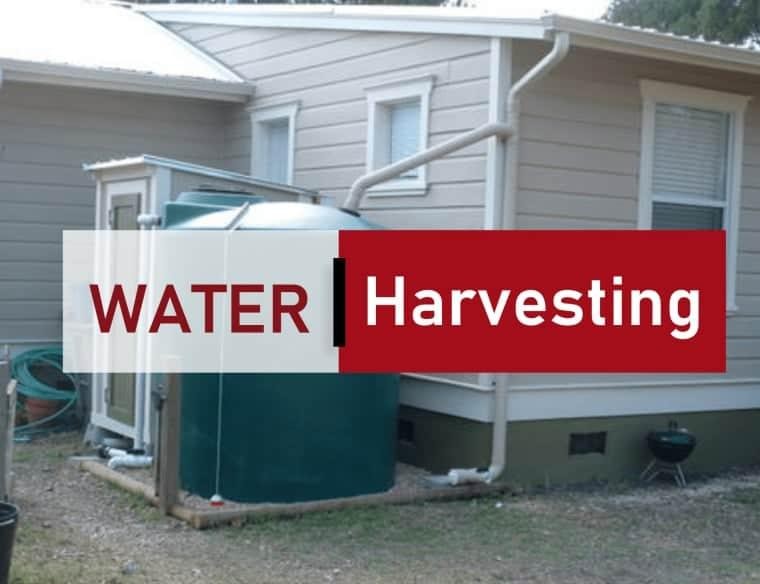
Simple Ways to Save Water Water is one of the most essential natural resources for human survival, yet it is increasingly becoming scarce in many parts of the world. Rapid population growth, climate change, and poor water management have placed immense pressure on available water resources. In countries like Kenya, where some communities still struggle to access clean and reliable water, conservation is no longer optional—it is necessary. While governments and organizations play a major role in water management, individuals and households also have a critical part to play. Simple daily actions can significantly reduce water wastage and ensure sustainability. One of the easiest ways to save water is by fixing leaks. A dripping tap or a leaking pipe may seem minor, but it can waste a large amount of water over time. In fact, a single leaking tap can lose dozens of litres of water each day if left unattended. Regular inspection of plumbing systems and timely repairs can prevent such losses. Households should also ensure that taps are tightly closed after use to avoid unnecessary dripping. Another effective method of conserving water is by changing daily habits. For example, turning off the tap while brushing teeth or shaving can save several litres of water each day. Instead of letting water run continuously when washing dishes, using a basin can significantly reduce water usage. Similarly, taking shorter showers instead of long ones helps conserve water without compromising hygiene. These small behavioral changes, when practiced consistently, can have a significant impact over time.The use of water-efficient fixtures is another practical solution. Installing low-flow showerheads, dual-flush toilets, and water-saving taps can reduce water consumption without affecting performance. These technologies are designed to use less water while maintaining efficiency, making them ideal for both homes and institutions. Although the initial cost of installation may be higher, the long-term savings on water bills and conservation benefits make them worthwhile. Rainwater harvesting is another simple and effective way to conserve water. By collecting rainwater from rooftops and storing it in tanks, households can create an alternative water source for activities such as cleaning, irrigation, and laundry. This reduces dependence on treated water and helps manage water shortages during dry periods. With proper filtration systems, harvested rainwater can also be made safe for domestic use. Reusing water, also known as greywater recycling, is another important strategy. Water used for washing vegetables, clothes, or dishes can be reused for watering plants or cleaning outdoor areas. Instead of allowing this water to go to waste, households can adopt simple systems to redirect it for secondary uses. This not only conserves water but also promotes efficient resource management. Outdoor water use should also be managed carefully. Activities such as watering gardens and cleaning compounds often consume large amounts of water. Watering plants early in the morning or late in the evening reduces evaporation, ensuring that more water is absorbed by the soil. Using a watering can instead of a hosepipe also helps control the amount of water used. Public awareness and education are equally important in promoting water conservation. Communities need to understand the value of water and the consequences of wastage. Schools, media, and local organizations can play a key role in educating people about simple conservation practices. When individuals are informed, they are more likely to adopt responsible water use habits. Saving water does not require complex technology or large investments. Simple actions such as fixing leaks, changing daily habits, using efficient fixtures, harvesting rainwater, and reusing water can make a significant difference. As water scarcity continues to pose a global challenge, every individual has a responsibility to act. Indeed, every drop counts, and small efforts today can secure water for future generations.