KenGen is spearheading a major expansion in Kenya’s renewable energy sector with a Sh32.2 billion investment in the Olkaria VII Geothermal Power Plant. This new facility, situated within the Olkaria geothermal field in Naivasha, is set to add 80.3 megawatts (MW) to the national grid. The Olkaria VII project is a central component of KenGen’s strategy to enhance its renewable energy capacity by an impressive 3,000 MW over the next decade. Once operational, the new plant will increase KenGen’s geothermal capacity from 799 MW to 879.3 MW, moving the company closer to its target of 1,000 MW for the Olkaria zone. According to KenGen’s regulatory filings, the plant will utilize steam to generate an estimated output of 80.3 MW. The project involves drilling 19 wells at a site located 220 meters from the southern boundary of Hell’s Gate National Park, following an evaluation of seven potential sites within the Olkaria field. KenGen emphasizes that Olkaria VII will play a crucial role in stabilizing Kenya’s power supply and reducing reliance on costly thermal power sources, which are planned for phase-out by 2035. The company has warned that failing to proceed with this project could lead to a power deficit of 65 to 100 MW. The environmental impact of the project is also significant. According to West Japan Engineering Consultants Inc., the Olkaria VII plant will reduce CO2 emissions by replacing electricity produced by fossil fuel-fired power plants. The project is projected to generate up to Sh3.77 billion annually in carbon credits. KenGen currently earns carbon credits from six other power projects, including Olkaria IAU, Olkaria II, Olkaria IV, Tana, Kiambere, and Ngong. The investment in Olkaria VII, along with other geothermal initiatives, underscores KenGen’s role in advancing Kenya’s renewable energy goals. In addition to Olkaria VII, KenGen is developing three other geothermal projects that will collectively add 326 MW to its geothermal output. These include the Olkaria I Rehabilitation (6 MW), Olkaria IV and IAU Uprating (40 MW), and the Olkaria Public-Private Partnership project (140 MW). These efforts will bring the total geothermal capacity in the Olkaria zone to nearly 1,000 MW. KenGen’s revenue grew by 14% to Sh53.964 billion for the year ending June 2023. The company’s investment in new projects and upgrades reflects its commitment to increasing its generation capacity and solidifying its position in the energy sector
The bustling industrial landscapes of Kenya, where manufacturing has long been heralded as a cornerstone of economic growth, a quiet crisis is brewing in the glass industry. Local glass manufacturers, including Milly Glass Works and Consol Glass Kenya, are finding themselves in a precarious position, struggling to stay afloat amidst a surge of cheap imports from neighboring countries. The impact is far-reaching, threatening not only the survival of these businesses but also the broader industrial landscape that depends on their success. The Rise of Imports The East African Community (EAC) and the Common Market for Eastern and Southern Africa (COMESA) trade agreements were designed with the noble intention of fostering regional trade, creating a seamless market across borders, and bolstering economic cooperation among member states. However, for Kenya’s glass manufacturers, these agreements have had unintended consequences. The open trade policies have inadvertently allowed a flood of low-cost glass products from Egypt and Tanzania to enter the Kenyan market. These imported goods, often priced significantly lower than locally produced items, have become a major challenge for Kenyan manufacturers. The competitive pressure has been relentless, pushing local companies to the brink as they struggle to match the prices of these cheaper imports. The Impact on Local Manufacturers Milly Glass Works and Consol Glass Kenya, two of the country’s leading glass manufacturers, have been particularly vocal about the adverse effects of these imports on their businesses. Alongside Kioo Ltd in Tanzania, they represent the only three glass container and tableware manufacturers in the East African region. Yet, despite their established presence and significant contributions to the local economy, they are now grappling with a downturn in business. These companies argue that the current trade environment is skewed against them, making it nearly impossible to compete on a level playing field. The cost structures in Kenya, compounded by higher production expenses, have placed local manufacturers at a disadvantage. The influx of cheap imports has not only eroded their market share but has also led to reduced production levels, job losses, and stunted growth in an industry that was once poised for expansion. The Need for Support Kenya’s glass manufacturers are now calling on the government to re-evaluate the trade agreements that have opened the floodgates to these cheap imports. They are advocating for policies that would protect local industries from being undercut by foreign competitors who benefit from lower production costs and more favorable economic conditions in their home countries. Furthermore, there is a growing call for the implementation of measures that would level the playing field, such as imposing tariffs on imported goods or offering subsidies to local manufacturers. These interventions could help restore balance and ensure that the glass industry in Kenya remains viable and competitive. The Broader Economic Implications The challenges facing Milly Glass Works, Consol Glass Kenya, and the wider glass manufacturing industry are symptomatic of a larger issue within the region’s industrial sector. If left unaddressed, the decline of local manufacturers could have far-reaching consequences for the Kenyan economy, leading to a reduction in industrial output, loss of jobs, and decreased economic resilience. Moreover, the situation raises important questions about the long-term sustainability of trade agreements that, while beneficial in many respects, may also inadvertently harm local industries. As Kenya continues to pursue economic integration with its regional neighbors, finding the right balance between fostering trade and protecting domestic industries will be crucial. The plight of Kenya’s glass manufacturers is a stark reminder of the complex dynamics at play in today’s globalized economy. As Milly Glass Works and Consol Glass Kenya struggle to navigate the challenges posed by cheap imports, their future—and that of the entire Kenyan glass industry—hangs in the balance. It is a moment that calls for decisive action, both from industry leaders and policymakers, to ensure that Kenya’s manufacturing sector does not become a casualty of its own open-door trade policies.
Nairobi’s real estate market has seen significant changes, with house prices recording a notable increase. This surge is a reflection of global economic shifts, particularly in response to fluctuating interest rates. As Kenya’s capital continues to climb the ranks in global property markets, understanding the factors behind this growth is crucial for potential investors, homeowners, and the general public. Nairobi’s Rapid Climb: Nairobi has made a remarkable leap in the global real estate market, moving from 19th to 6th place in terms of property price growth. According to a quarterly report by Knight Frank, the city recorded a 6.6% increase in house prices over the past 12 months. This rise places Nairobi among the world’s top cities for property price growth, alongside metropolises like Manila, Mumbai, and Los Angeles. Globally, house prices increased by 2.6% in the year leading up to June 2024, a slowdown from the 4.2% growth seen in the previous quarter. The slower global growth is largely attributed to the rising interest rates that have dampened spending power across 44 major cities. However, Nairobi’s resilience amidst these global economic pressures highlights its growing appeal and the robust demand for housing in the city. Interest Rates and Their Impact: The rise in Nairobi’s house prices can be closely linked to changes in interest rates. After a sharp decline in housing markets in late 2022, the mid-2023 period marked the beginning of a recovery, driven by a decline in bank interest rates across various countries. For Nairobi, this shift played a crucial role in boosting the property market. On August 6, 2024, the Central Bank of Kenya (CBK) cut its base rate from 13% to 12.75%. This reduction in interest rates is expected to make borrowing more affordable for potential homebuyers and investors, thereby stimulating further growth in the housing market. CBK Governor Kamau Thugge highlighted the previous high lending rates as necessary to stabilize the Kenyan shilling and curb inflation. The strategy appears to have paid off, with inflation dropping from 8.1% in October 2023 to 4.3% in July 2024, according to the Kenya National Bureau of Statistics (KNBS). Global Comparisons: Nairobi’s impressive performance in the real estate market is part of a broader global trend. Manila, Philippines, topped the list with a staggering 26% annual increase in property prices, followed by Mumbai and Delhi in India, with price hikes of 13% and 10.6%, respectively. The United States also saw significant gains, with Los Angeles and Miami recording price increases of 8.9% and 7.1%. Despite the general slowdown in global price growth, experts like Liam Bailey, Knight Frank’s global head of research, suggest that the situation could improve with further interest rate cuts. “The biggest influence on future price growth lies in the hands of central banks and their confidence to cut rates further over the next 12 months,” Bailey noted in the report. Looking Ahead: As Nairobi continues to climb the global rankings, the city’s real estate market is poised for further growth. The recent interest rate cuts by the CBK are likely to fuel this trend, making it an opportune time for investors and homebuyers to explore opportunities in Nairobi’s property market. For those considering entering the market, understanding these economic dynamics is crucial. With Nairobi now firmly established as a key player in the global real estate scene, the city offers both challenges and opportunities for those looking to invest in one of Africa’s most vibrant and rapidly growing urban centers. Nairobi’s real estate market is on an upward trajectory, driven by a combination of local and global factors. The city’s rising house prices, buoyed by favorable interest rates and strong demand, have positioned it as a top destination for property investment. As Nairobi continues to grow and evolve, its real estate market is set to offer even more exciting prospects for investors and homeowners alike
As construction costs in Kenya continue to rise, the demand for affordable housing solutions is increasing. Prefabricated houses, commonly known as prefabs, are emerging as a viable option for homeowners seeking faster, cost-effective, and sustainable building alternatives. While this technology has gained widespread acceptance in developed countries, Kenya is gradually catching on to the benefits of prefabricated housing. Understanding Prefab Technology Prefabricated homes are constructed in a factory setting, where the components are built and then transported to the site for assembly. This process helps reduce costs, prevent material wastage, and speed up construction times, allowing homes to be completed regardless of adverse weather conditions. One of the key advantages of prefab houses is the ability to cut costs without compromising quality. With construction work largely taking place indoors, delays caused by rain or other weather conditions are avoided. Prefab technology is quickly becoming a solution to the high construction costs plaguing the industry, but it still faces a challenge—many Kenyans remain unfamiliar with how it works. Prefab Construction: A Step-by-Step Guide Building a prefabricated house follows a streamlined, efficient process that starts with the homeowner acquiring a plot and securing the necessary approvals. Once this is in place, the following steps are involved: Floor Assembly: Construction begins with the floor structure. A wood frame is placed under the floor to support the wall panels that will later be installed. Wall Panels Installation: Pre-insulated wall panels are attached to the floor frame with bolts and nuts. Windows and door openings are created in the panels before attachment. Wiring and Plumbing: After the structure is in place, electricians and plumbers install the necessary systems. Drywall, ceilings, and interior fixtures are also added. Roofing: Depending on the design, the roof can be installed either at the factory or after the house is assembled on-site. Finishes: Both interior and exterior finishes are completed, including cabinets, vanities, siding, and painting. Transportation: The house is transported in modules to the plot, and careful planning of the transportation route is required to avoid obstacles like power lines or narrow roads. Installation: Once on-site, the modules are checked for any damage and then assembled. Special attention is given to the “marriage walls,” which bind the structure together. Staircases, decks, and other features are then added, and the entire installation can be completed in a single day. EPS Panels: A Game-Changer for Affordable Housing To further promote affordable housing, Kenya’s National Housing Corporation (NHC) is advocating for the use of expanded polystyrene (EPS) panels. These panels, made from polystyrene, offer a strong, lightweight alternative to conventional stones and can reduce construction costs by up to 30%. Manufactured at NHC’s factory in Mavoko, Machakos County, EPS panels are becoming a key component in Kenya’s effort to meet the growing demand for affordable homes. Each panel costs approximately KSh 5,000, translating to KSh 1,111 per square meter. Despite the additional costs of transportation and concrete plasterwork, EPS panels are seen as a cost-effective solution to the housing shortage. The Future of Housing in Kenya As prefab technology and EPS panels gain traction, there is hope that these innovations will play a pivotal role in addressing Kenya’s housing crisis. While educating the public about these technologies remains a hurdle, the advantages of affordability, efficiency, and durability could make prefabricated housing the future of construction in Kenya.
There’s a growing demand for high-quality and aesthetically pleasing interior finishes. As homeowners and developers alike place greater emphasis on creating visually appealing and durable living spaces, this trend is rapidly gaining traction. From lighting to wall treatments, flooring to ceiling finishes, Kenyans are increasingly opting for chic, sustainable, and premium options that elevate the overall ambiance of their homes. One of the most significant shifts in this trend is the move away from traditional neutral wall colors like whites and creams toward bolder hues and textured finishes. Homeowners are now more inclined to choose colors that add character and depth to their interiors. Whether it’s an entire room or just a single accent wall, these bold choices are redefining the aesthetic landscape of Kenyan homes. Textured wall finishes, such as stucco or wallpaper, are also becoming popular, offering a tactile dimension to interior spaces that goes beyond mere color. Another noteworthy trend is the growing popularity of gypsum wall lighting in urban residential units. This type of lighting not only enhances the beauty of the interiors with its sleek and modern design but is also energy-efficient, making it a practical choice for those looking to reduce energy consumption. As sustainability becomes a key consideration in modern living, the adoption of energy-efficient lighting solutions like gypsum wall lighting is a welcome development. It combines aesthetic appeal with functionality, providing cost-effective solutions for both tenants and homeowners. Additionally, the emphasis on high-quality finishes extends to other aspects of interior design, such as flooring and ceiling treatments. From polished hardwood floors to elegant tile designs, and from decorative ceiling moldings to recessed lighting, every detail is being meticulously chosen to create spaces that are not only beautiful but also durable and sustainable. The integration of sustainable materials and practices is particularly important, as it aligns with the global push towards eco-friendly living. This trend towards high-quality finishes is transforming the Kenyan real estate market. It’s not just about the structural integrity of the building anymore; it’s about creating spaces that reflect modern tastes, values, and lifestyles. Whether it’s through bold color choices, innovative lighting solutions, or sustainable materials, the focus is on delivering interiors that are both functional and visually striking. For developers and homeowners alike, embracing these trends means staying ahead in a competitive market where quality and aesthetics are increasingly valued. As more Kenyans seek to enhance their living spaces, the demand for high-quality interior finishes is set to continue its upward trajectory, shaping the future of real estate in the country.
Biocides play a critical role in protecting paints from microbial growth, such as fungi, algae, and bacteria, which can damage surfaces, affect aesthetic appearance, and compromise the longevity of painted structures. However, their effectiveness and longevity are heavily influenced by weather conditions. Understanding how different environmental factors affect biocides in paints can help in selecting the right formulation for specific climates and applications. Below are key weather conditions and their impact on biocides in paints. Temperature Fluctuations Temperature extremes, both high and low, can significantly impact the stability and effectiveness of biocides in paints. High temperatures: Elevated temperatures can accelerate the degradation of biocides, reducing their protective lifespan. High heat can cause the chemical components of biocides to break down faster, leading to reduced efficacy against microbial growth. In hot climates, special formulations with heat-stable biocides are often required to maintain performance. Low temperatures: Cold temperatures can slow down the activity of biocides, particularly if they are enzyme-based or rely on chemical reactions that occur at specific temperatures. Freezing conditions can also affect the distribution of biocides in paints, potentially leading to uneven protection. Temperature cycling: Repeated cycles of heating and cooling (e.g., day-to-night temperature swings) can cause micro-cracks in the paint film, allowing moisture and microbes to penetrate the surface. This increases the demand on biocides to prevent microbial colonization, potentially exhausting their effectiveness more quickly. Humidity and Moisture Exposure Moisture is one of the most significant factors affecting the performance of biocides in paints, as it directly influences microbial growth and the leaching of biocidal agents. High humidity: In regions with high humidity, such as tropical or coastal areas, moisture promotes the growth of algae, fungi, and mold on painted surfaces. The continuous exposure to moisture can also cause biocides to leach out of the paint more rapidly, reducing their long-term efficacy. Paints in these environments often require higher concentrations of biocides or slow-release biocidal formulations to maintain protection over time. Rain and water exposure: Prolonged exposure to rain or frequent water contact can wash away or dilute biocides from the paint surface, particularly in poorly formulated paints. In heavy rain areas, biocides must be resistant to water leaching to remain effective. Hydrophobic or water-resistant coatings are often used to protect the integrity of biocides in such environments. Condensation: In cooler climates or in buildings with poor ventilation, condensation on surfaces can create the perfect environment for mold and algae growth. Biocides in paints need to be effective under such constant low-level moisture conditions to prevent microbial infestation. UV Exposure Ultraviolet (UV) radiation from sunlight can degrade biocides, reducing their effectiveness over time. UV degradation: UV light can break down chemical bonds in biocides, leading to the loss of their antimicrobial properties. This degradation is particularly problematic in sunny, high-UV-index regions, where the protective effect of biocides may diminish more quickly. UV-resistant biocides or UV-blocking additives in paints can help slow this degradation process. Photooxidation: Exposure to UV light can also lead to the formation of free radicals in the paint, which can damage both the paint and the biocides within it. Over time, this can result in the paint losing its protective qualities and allowing microbial growth to take hold. Wind and Dust Wind and dust can indirectly affect the performance of biocides in paints by introducing abrasive particles or organic materials that provide a foothold for microbial growth. Abrasive effects: Wind-driven dust and sand can physically wear down the paint surface, removing the biocidal layer or creating micro-abrasions where microbes can settle and proliferate. This is particularly relevant in desert or high-wind environments, where paint formulations may need additional durability to withstand such abrasive forces. Dust accumulation: Dust and organic particles can settle on painted surfaces, providing nutrients for microbial growth. This organic matter can shield microorganisms from biocides, making it harder for the antimicrobial agents to be effective. Regular cleaning or self-cleaning paints can help mitigate this issue. Pollution and Chemical Exposure Airborne pollutants and chemicals can interact with biocides in paints, altering their chemical structure and effectiveness. Acid rain: In areas with high industrial pollution, acid rain can be a significant factor. Acidic conditions can cause some biocides to degrade more quickly or leach out of the paint. This reduces the protection against microbial growth and can accelerate the deterioration of the paint itself. Chemical interaction: Pollutants such as sulfur dioxide (SO₂) and nitrogen oxides (NOₓ) can react with biocides, neutralizing their effectiveness or altering their composition. Paints exposed to high levels of pollution may require biocides that are resistant to chemical interference. Salt Exposure In coastal regions, salt from seawater or salt-laden air can have a corrosive effect on both paints and biocides. Salt leaching: Salt can accelerate the leaching of biocides from paint films, particularly if the paint is not formulated to resist saline conditions. This results in a shorter protective lifespan and increased vulnerability to microbial colonization. Corrosion and biocide breakdown: The presence of salt can also accelerate corrosion of the substrate (e.g., metal surfaces) under the paint, which can further degrade the paint layer and reduce the efficacy of biocides. Marine paints often incorporate special biocides and corrosion inhibitors to counteract these effects. Conclusion Weather conditions have a profound impact on the performance and longevity of biocides in paints. Factors such as temperature fluctuations, moisture, UV exposure, wind, pollution, and salt all influence how well biocides can protect surfaces from microbial growth. To ensure lasting protection, it’s essential to select biocides and paint formulations that are suited to the specific environmental conditions of the application area. As climate conditions become more extreme and variable, the development of more resilient and adaptive biocide technologies will be crucial in maintaining durable, microbial-resistant coatings. CAPTIONS Weather Conditions Significantly Impact the Effectiveness of Biocides in Paints: A Comprehensive Overview
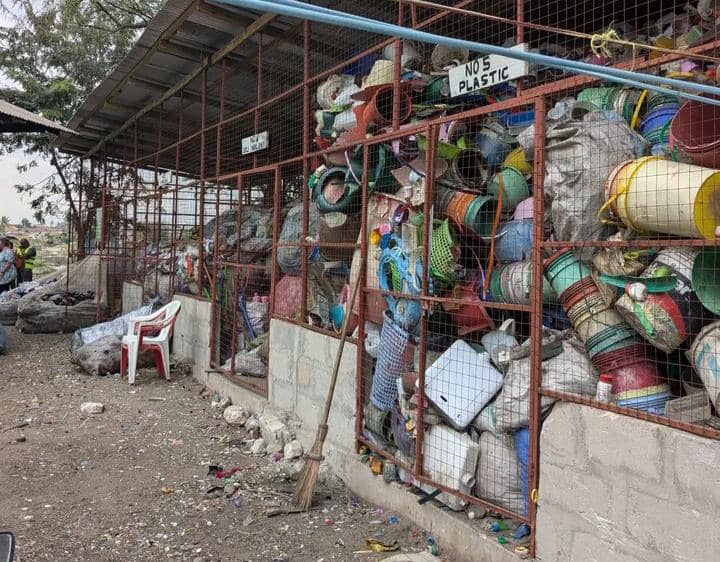
Representatives from 175 countries gathered in Nairobi last month for the first significant step towards negotiating a global treaty to tackle plastic pollution, a growing environmental crisis that threatens ecosystems and human health. The meeting, held from November 13 to 19, was the third in a series of five, as nations race to finalize a binding agreement by the end of 2024. The talks, hosted at the headquarters of the United Nations Environment Programme (UNEP), centered on the first draft of a treaty that seeks to curb the escalating production and mismanagement of plastic waste. The need for action is pressing, as plastic pollution has reached alarming levels—from the depths of the oceans to the peaks of mountains, with microplastics even found in human blood and breast milk. Plastic: A Growing Crisis Since 2000, global plastic production has more than doubled to 460 million tonnes per year. If no action is taken, this figure could triple by 2060. Despite this massive output, only 9% of plastic is recycled, while the rest ends up polluting land, rivers, and oceans, causing widespread environmental damage. Plastic production is also a major contributor to global warming, accounting for 3.4% of global emissions in 2019—a number projected to double by 2060 if unchecked. The stakes are high, and there is broad consensus that a treaty is essential. However, deep divisions remain over how to tackle the problem. Environmentalists and many countries advocate for ambitious measures, such as a ban on single-use plastics and stricter regulations on production. Meanwhile, the plastics industry and major plastic-producing nations, including the United States, China, and Saudi Arabia, are pushing for recycling and improved waste management as the main solutions. A Battle of Ambitions “This is the big battle we’re going to see now,” said Eirik Lindebjerg of the WWF, who was among the thousands of participants at the Nairobi negotiations. The challenge lies in balancing the demands for aggressive cuts in plastic production with the economic interests of the plastics industry. The “zero draft” of the treaty presents a range of options, from sweeping bans on plastic products to agreements that focus primarily on recycling. Peter Thomson, the UN’s special envoy for the ocean, warned in October that the treaty could either become a transformative pact for nature or “a cosy deal with the plastics industry.” Environmental advocates like Greenpeace’s Graham Forbes stress the need to address plastic pollution at its source. “You can’t stop the bath from overflowing until you turn off the tap,” he remarked, emphasizing that limiting plastic production is crucial to any meaningful solution. Resistance from Major Plastic Producers Despite the push for ambitious action, key players such as the United States, China, and members of the Organization of the Petroleum Exporting Countries (OPEC) are hesitant to commit to production cuts. The EPS Industry Alliance, which represents North American companies producing expanded polystyrene, expressed concerns over the draft treaty. Betsy Bowers, the alliance’s executive director, warned of the “unintended consequences” of some proposals, criticizing what she called the “ideology of emotion” surrounding the debate on plastics. The Road Ahead The Nairobi meeting marked a crucial turning point in the negotiations, but much remains to be done. The talks will continue in April 2024 in Canada, before concluding in South Korea by the end of the year. However, time is running out. Fiji, a small island nation on the frontlines of climate change and pollution, has urged for quicker action, pointing to the urgent need for a treaty that delivers real solutions for vulnerable countries. With sessions extended by two days in Nairobi, negotiators are feeling the pressure to make meaningful progress. “If they don’t manage to make progress here in Nairobi, 2024 will be very intense if they want to reach a meaningful treaty by the end of the year,” Lindebjerg warned. As the world awaits the outcome of these crucial negotiations, the hope is that global leaders will rise to the occasion, crafting a treaty that not only addresses the plastic crisis but also sets the stage for a more sustainable future.
The Kenyan real estate market is undergoing a transformative shift, with an increasing focus on the customization of house interiors. This trend reflects a broader desire for unique, personalized living experiences that align with individual lifestyles and preferences. As people seek to create spaces that are true reflections of their identities, the demand for customized interiors is rapidly gaining momentum. Consider the examples of Steve and Cynthia, two homeowners with similar properties but vastly different needs. Steve, a family man, requires a three-bedroom unit that serves the traditional purposes: a living room, kitchen, and bedrooms for his wife and two children. Cynthia, on the other hand, is a remote worker living alone. She envisions her three-bedroom unit differently—transforming one room into a home office, another into a spacious closet, and retaining the third as her bedroom. These distinct approaches highlight the versatility of customization, where the same floor plan can be adapted to meet diverse needs. Customization extends beyond just altering the function of rooms. It also involves tailoring finishes, selecting bespoke fixtures, and integrating smart home technologies that resonate with the homeowner’s personality and lifestyle. Whether it’s creating a dedicated gym room, a cozy home theater, or a tranquil study, the possibilities are endless. This trend is particularly appealing in a market where people are looking for more than just a place to live—they seek a space that enhances their quality of life. The rise of customization in the Kenyan real estate sector signifies a broader shift towards a more personalized approach to homeownership. It’s not just about owning property; it’s about creating a space that truly feels like home. Developers and interior designers are increasingly catering to this demand, offering flexible layouts and a wide range of customization options to suit the varied tastes and preferences of modern homeowners. As this trend continues to evolve, it is redefining the concept of home in Kenya. It’s not just about the structure or location anymore—it’s about the experience. Whether you’re an investor, homeowner, or someone exploring the property market, customization is a trend that opens up new horizons, offering limitless possibilities for creating living spaces that are as unique as the people who inhabit them. In this dynamic real estate landscape, the future is being shaped by those who dare to reimagine what a home can be. Customization is not merely a trend; it’s a reflection of our evolving aspirations and a testament to the endless potential of the spaces we call home
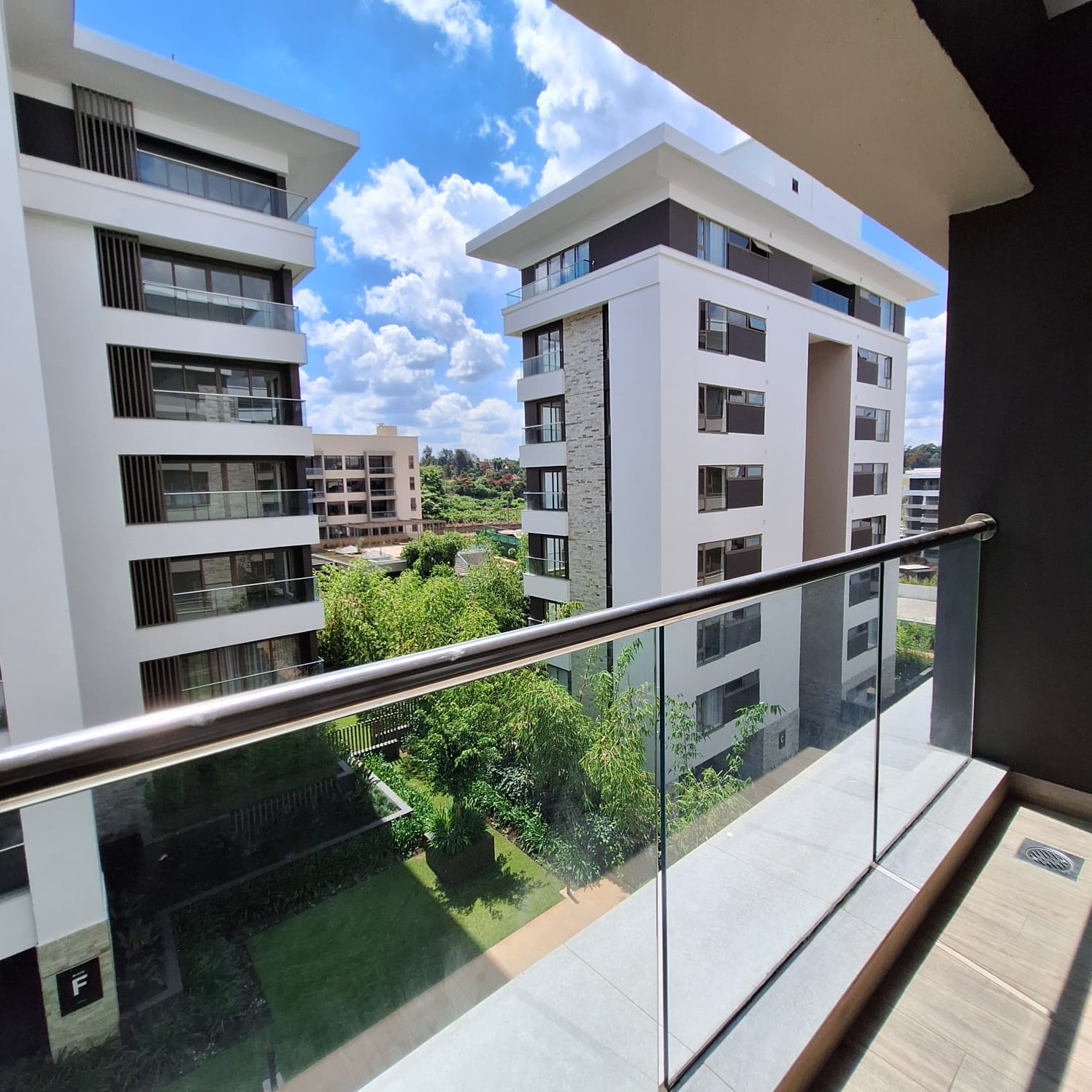
The Kenyan real estate market has seen a significant shift towards the development of apartment complexes, overshadowing the traditional preference for standalone houses and villas. This trend is largely driven by the rapid urbanization resulting from rural-to-urban migration, which has led to a growing demand for residential spaces in major cities. As more people flock to urban centers in search of better opportunities, the need to maximize available space has become paramount, making apartment complexes the preferred choice for both developers and residents. Space Optimization and Cost Efficiency One of the key advantages of apartment complexes is the efficient use of space. Unlike standalone houses that occupy more land per unit, apartment buildings can house multiple families within a single structure, making them ideal for accommodating the growing urban population. This maximization of space not only addresses the housing demand but also allows developers to offer more affordable housing options in prime urban locations. In addition to space optimization, apartment complexes often provide shared amenities, such as gyms, swimming pools, and recreational areas, which are cost-effective for tenants. By pooling resources, residents can enjoy these facilities without bearing the full cost individually, making apartment living a more economically viable option. This consolidation of amenities is particularly appealing in a market where the cost of living is steadily rising. Sustainability and Environmental Considerations Modern apartment complexes in Kenya are increasingly being designed with sustainability in mind. Developers are adopting environmentally friendly construction practices and materials, and many are incorporating sustainable energy sources like solar water heating. This focus on sustainability not only reduces the environmental footprint of these developments but also lowers utility costs for residents, making apartment living more attractive. Furthermore, the shared nature of amenities in apartment complexes often leads to more efficient use of resources, contributing to environmental conservation. For instance, communal waste management systems, energy-efficient lighting, and water-saving technologies are more feasible in apartment complexes, further enhancing their appeal to environmentally conscious consumers. Investment Opportunities and Economic Viability For investors, apartment complexes offer a lucrative opportunity. These units can be let out for both short-term and long-term stays, providing a steady income stream. The average market return on investment (ROI) for apartment units in Kenya ranges from 6% to 8%, with the potential to reach up to 16% for furnished units. This high ROI has fueled the demand for studio and one-bedroom apartments, particularly in Nairobi, where they are increasingly being used as Airbnb units. The growing popularity of short-term rentals, especially through platforms like Airbnb, has made investing in apartments an attractive proposition. Investors can capitalize on the tourism and business travel markets by offering well-furnished, conveniently located apartments for short-term stays, significantly boosting their returns. The shift towards apartment complexes in Kenya is a reflection of the changing dynamics of urban living. As cities continue to expand and the demand for housing rises, the practicality, cost-effectiveness, and sustainability of apartment living are becoming more apparent. For developers, investors, and residents alike, apartment complexes represent a smart, future-forward approach to addressing the housing needs of Kenya’s growing urban population. As this trend continues, it is likely that apartment living will become the norm in Kenyan cities, offering a blend of convenience, affordability, and modern living standards.
A groundbreaking infrastructure project is set to redefine road transport in Kenya, as President William Ruto announced the construction of a new 440-kilometer Nairobi-Mombasa expressway. This ambitious Sh472.9 billion initiative, forged under a Public-Private Partnership (PPP) with the American firm Everstrong Capital LLC, is anticipated to be completed by 2028. The envisioned expressway, a four to six-lane dual carriageway, promises to revolutionize the commuting experience between Kenya’s capital, Nairobi, and the coastal city of Mombasa. The project, which has been on the drawing board for years, represents a significant milestone in Kenya’s infrastructural development. On Thursday, the Kenya National Highway Authority (KeNHA) and Everstrong Capital LLC formalized the agreement, marking one of President Ruto’s key achievements during his visit to the United States. The expressway is expected to attract investments totaling $3.6 billion (Sh478 billion) from international investors, development agencies, pension funds, and a significant number of Kenyan private investors. “This project is a testament to Kenya’s commitment to modernizing its infrastructure and enhancing economic growth,” stated an Everstrong spokesperson. “It will offer Kenyans a unique opportunity to compare U.S. construction technology with that of China, which has previously dominated major infrastructure projects in the country, such as the Thika Superhighway and the Nairobi Expressway.” The expressway’s impact on travel between Nairobi and Mombasa is poised to be transformative. Currently, the journey takes approximately 11 hours, but the new road is expected to reduce this to just four to five hours. This improvement will not only ease the notorious traffic jams along the route but also significantly enhance the efficiency of road transport, benefiting both individuals and businesses. Beyond improving travel times, the project is expected to generate substantial economic benefits. It is estimated that the construction phase will create 500 jobs and stimulate local enterprises supplying building materials. Once operational, the toll road will dwarf both the Thika Superhighway and the 27-kilometer Nairobi Expressway in terms of investment and scale. To recoup its investment, Everstrong will collect toll charges for 30 years. These charges will vary based on the type of vehicle and the entry and exit points used. However, certain essential services, including ambulances, police vehicles, military personnel, and fire trucks, will be exempt from toll fees. The new expressway will feature an extensive network of toll points, surpassing the 27 currently found on the Nairobi Expressway. Drivers will have the option to pay tolls using cash, electronic toll collection, or manual toll collection. Cash users will not be required to register in advance, simplifying the process for occasional travelers. This is not the first attempt to construct an expressway between Nairobi and Mombasa. In 2018, the government proposed a Sh300 billion project, but it failed to materialize due to disagreements with Betchel, the company initially slated to undertake the project. The government wanted Betchel to fund the construction and recover costs afterward, but the company declined. Now, with the new expressway on the horizon, Kenya is set to embark on a project that will not only enhance road transport but also serve as a symbol of the nation’s growing infrastructure ambitions. The Nairobi-Mombasa expressway is expected to become a cornerstone of Kenya’s transportation network, heralding a new era of connectivity and economic growth. CAPTION: The envisioned expressway, a four to six-lane dual carriageway, promises to revolutionize the commuting experience between Kenya’s capital, Nairobi