The ongoing dualling of the Rironi–Mau Summit Highway represents a major milestone in Kenya’s adoption of modern building and construction technologies. Beyond easing traffic congestion and improving connectivity, the project stands out as a showcase of how advanced engineering, innovative materials, and smart construction methods are transforming the country’s infrastructure landscape. It reflects a shift from conventional road building to technology-driven, durable, and future-ready transport systems. At the core of the project is a redesigned highway structure built to international standards. Engineers are applying advanced geometric road design techniques that allow for safer curves, better gradients, and improved visibility. Using computer-aided design (CAD) and Building Information Modelling (BIM), planners can simulate traffic flow, structural performance, and drainage behavior before construction begins. This technology-driven approach minimizes design errors, reduces construction delays, and ensures that the highway meets long-term performance and safety requirements. Material technology is another defining feature of the Rironi–Mau Summit upgrade. The project makes extensive use of high-performance asphalt and reinforced concrete designed to withstand heavy axle loads from trucks and long-distance buses. Polymer-modified bitumen is being used in critical sections to improve flexibility and resistance to cracking, especially in areas prone to temperature variation and heavy rainfall. These advanced materials significantly extend the lifespan of the road while reducing maintenance costs over time. Modern earthworks and foundation technologies are also central to the project’s success. Heavy-duty machinery equipped with GPS-guided systems is being used for excavation, grading, and compaction. This technology ensures precise levels and uniform compaction, which are essential for road stability and durability. Improved subgrade treatment methods, including soil stabilization with lime and cement, are being applied in weak soil areas to prevent premature pavement failure. Drainage and water management systems along the highway reflect contemporary engineering thinking. Engineers are constructing lined drains, culverts, and cross-drainage structures using precast concrete technology. Precast elements not only speed up construction but also improve quality control, as components are manufactured under controlled conditions. Proper drainage is critical in preserving pavement integrity, particularly in high-rainfall sections of the corridor. The project incorporates modern bridge design using reinforced and prestressed concrete, allowing for longer spans and reduced material usage. Prefabrication techniques are being applied to accelerate construction while maintaining high safety and quality standards. These structures are designed to accommodate future traffic growth without the need for major alterations. Technology is also being integrated into traffic management and safety systems. The upgraded highway will feature intelligent transport systems (ITS), including automated toll collection, surveillance cameras, variable message signs, and modern lighting solutions. These systems enhance traffic efficiency, improve enforcement, and provide real-time information to road users. From a building technology perspective, the integration of digital systems into physical infrastructure represents a major leap forward. Sustainability considerations have been embedded into the construction process. Contractors are increasingly using energy-efficient equipment, recycling milled asphalt, and sourcing materials locally to reduce the project’s carbon footprint. Environmental impact monitoring technologies are being deployed to manage dust, noise, and material waste, ensuring compliance with environmental standards while promoting responsible construction practices. In essence, the Rironi–Mau Summit Highway dualling project is a living classroom for modern building and construction technology in Kenya. It demonstrates how innovation, engineering expertise, and smart use of technology can deliver infrastructure that is safer, stronger, and more sustainable. As the project progresses, it sets a new benchmark for road construction in the country and signals a future where technology-driven building solutions play a central role in national development.
Automation and robotics are transforming industries across the world, and construction is quickly becoming one of the biggest beneficiaries of this technological shift. Once perceived as a slow, labour-intensive, and highly manual sector, construction is now adopting machines and intelligent systems that bring unprecedented levels of speed, accuracy, and cost efficiency. Robots are laying bricks, drones are inspecting tall buildings, and AI-powered tools are helping contractors manage complex tasks with precision. As East Africa rapidly urbanises and invests heavily in large infrastructure projects, the question is not whether automation will shape the region’s future, but how quickly it can be adopted to meet growing demand. Robotics in construction refers to machines capable of performing tasks traditionally done by human workers, including bricklaying, welding, excavation, and inspection. Automation, on the other hand, involves digital systems and software that streamline project management, eliminate delays, and enhance accuracy. Together, these technologies are redefining the construction landscape by reducing human error, minimizing wastage, and increasing productivity. For East Africa—where urban housing deficits persist and delays in public projects often stretch budgets—these innovations offer practical and scalable solutions. One of the most exciting applications is robotic bricklaying. Machines such as the Semi-Automated Mason (SAM) can lay thousands of bricks per day with perfect precision, significantly reducing the time required to build housing units. This is particularly important for East Africa’s affordable housing agenda, as governments across Kenya, Tanzania, Uganda, and Rwanda seek faster ways to meet demand. These robots do not replace workers but complement them, allowing human labour to focus on more skilled tasks like finishing, roofing, and plumbing while robots handle repetitive and strenuous work. Another major advancement is the use of autonomous heavy machinery. Excavators, bulldozers, and graders fitted with sensors, GPS, and artificial intelligence can carry out excavation and earthworks with superior accuracy. This reduces rework, conserves fuel, and allows large projects to move faster. In East Africa—where major roads, dams, and commercial projects are underway—autonomous machinery could drastically improve project timelines and reduce construction costs, helping governments stay within budget and deliver infrastructure more efficiently. Safety, a major concern in the construction industry, is also being revolutionized by automation. Drones equipped with high-resolution cameras can survey large construction sites, inspect tall structures, and identify hazards without putting workers at risk. AI systems analyze site images in real time, detect unsafe behavior, and alert supervisors before accidents happen. In a region where construction-site injuries and fatalities remain a challenge, such systems could transform safety standards and reduce insurance and medical costs. Automation goes beyond physical robotics. Software such as Building Information Modelling (BIM), AI scheduling tools, digital permits, and automated cost estimators are increasingly shaping modern project delivery. These digital systems help contractors plan better, forecast risks early, track materials, and detect design clashes before construction begins. When combined with robotics, these tools ensure faster delivery, improved accountability, and higher quality. However, adopting automation and robotics in East Africa comes with notable challenges. The initial cost of advanced machines is high, and many local contractors may struggle to invest without support. Technical skills are limited, requiring training programs in robotics, AI, and digital construction tools. Regulatory frameworks also need updating, as some countries do not yet have clear guidelines for robotic construction. Infrastructure issues such as inconsistent electricity, weak internet connectivity, and limited digital literacy also slow down adoption, especially in rural areas. Despite these challenges, the long-term benefits far outweigh the obstacles. East Africa is undergoing a construction boom, with new expressways, universities, housing estates, hospitals, and energy projects being launched every year. Automation and robotics offer a pathway to deliver these projects faster, safer, and more affordably. By encouraging public–private partnerships, investing in training, and supporting innovation hubs, governments can accelerate adoption and position East Africa as a regional leader in modern construction technology. In conclusion, automation and robotics represent the next frontier of construction in East Africa. These technologies will not replace people but will empower them—allowing workers to take on more skilled tasks while machines handle repetitive, dangerous, and time-consuming activities. As the region continues to build its cities of the future, embracing automation will be key to achieving efficiency, sustainability, and global competitiveness. East Africa stands at the edge of a construction revolution, and the adoption of robotics could be the catalyst that transforms its infrastructure landscape for generations to come.
Affordable housing has quietly become the backbone of construction growth in Kenya and across East Africa. While mega infrastructure projects often dominate headlines, it is the steady rise of affordable housing developments that is sustaining contractors, absorbing labor, and reshaping urban landscapes. No other sector currently contributes as consistently and as widely to construction activity as affordable housing. Kenya’s housing deficit, estimated in the millions, is not just a social crisis; it is an economic opportunity. Every unmet housing need represents a construction project waiting to happen. As urban populations grow in Nairobi, Mombasa, Kisumu, Nakuru, and emerging towns, demand for decent and affordable shelter continues to rise. This demand has created a reliable pipeline of work for builders, engineers, architects, suppliers, and artisans, making housing the most dependable driver of construction growth. Government intervention has played a crucial role in transforming affordable housing into a catalyst for construction. Through public–private partnerships, incentives, and flagship programs, the state has lowered the entry barriers for developers and encouraged the delivery of large-scale housing. Unlike luxury real estate, which depends heavily on market cycles, affordable housing enjoys constant demand. This stability allows construction firms to plan long-term, invest in equipment, and retain skilled workers, strengthening the sector overall. One of the most overlooked impacts of affordable housing is job creation. Construction sites linked to housing projects employ thousands of people daily, many of them young and semi-skilled. Beyond the sites, entire supply chains come alive — cement factories run at higher capacity, steel manufacturers expand output, transporters make more trips, and hardware stores thrive. In this way, affordable housing spreads economic benefits far beyond the walls of the houses being built. Affordable housing has also forced the construction industry to innovate. To keep costs low, developers are adopting faster and cheaper building technologies such as prefabricated components, modular designs, and alternative materials. These methods are not only reducing costs but also modernizing construction practices across the region. Without the pressure created by affordable housing targets, this level of innovation would have taken much longer to reach mainstream construction. The ripple effects are visible in urban expansion patterns. Affordable housing projects often open up new areas, triggering demand for roads, water, sewer lines, electricity, schools, and health facilities. Each of these supporting services translates into additional construction work. Satellite towns around Nairobi and regional capitals across East Africa are growing largely because housing developments made them viable in the first place. Regionally, the impact extends beyond Kenya. Countries such as Tanzania, Uganda, Rwanda, and Ethiopia face similar housing challenges and have embraced housing-led development. This has encouraged cross-border collaboration among contractors, consultants, and suppliers, effectively creating a regional construction market. Affordable housing has become a shared growth agenda, not just a national policy choice. Critics often focus on financing challenges or slow delivery, but they miss the bigger picture. Affordable housing is not a cost to the economy; it is an investment with guaranteed returns in employment, skills development, and industrial growth. It anchors construction activity even during economic slowdowns, making it one of the most resilient pillars of the sector. In conclusion, affordable housing is doing more than putting roofs over heads. It is powering construction growth, stimulating innovation, and supporting livelihoods across Kenya and East Africa. As long as the housing gap remains, construction will continue to thrive. The future of the construction industry in the region is being built not in luxury towers, but in affordable homes that meet real needs and drive real growth.
3D printing is rapidly emerging as one of the most revolutionary technologies in the global construction sector. What began as a futuristic concept—machines printing houses layer by layer—has now become a practical solution used in countries such as the United States, the Netherlands, and the UAE. As East Africa continues to face rapid urbanisation, population growth, and an urgent demand for affordable housing, the big question arises: Can East Africa realistically adopt 3D printing in construction? The answer is promising, though not without challenges. 3D printing in construction, also known as additive manufacturing, involves using advanced machines to extrude concrete or other building materials in layers to create walls, floors, and structural components. This method reduces reliance on traditional bricklaying, speeds up construction timelines, and dramatically lowers labour and material costs. For a region where housing shortages are a persistent issue—especially in Kenya, Uganda, Tanzania, and Rwanda—3D printing presents a potentially transformative solution. One of the most significant advantages of 3D-printed construction is speed. A typical 3D-printed house can be completed in 24 to 72 hours, compared to weeks or months using conventional methods. This rapid pace could help governments and private developers tackle the widening housing gap more efficiently. Kenya alone faces a deficit of more than two million housing units, and affordable housing remains a central national agenda. 3D printing offers a realistic pathway to reduce this deficit by enabling mass-scale, rapid, and cost-friendly home production. Another strength of 3D printing lies in its cost-effectiveness. Using automated systems reduces the need for a large workforce, and because materials are dispensed precisely, wastage is minimized. Builders can save up to 30 percent in material usage and nearly 50 percent in labor costs. In East Africa, where construction budgets are often limited and material prices fluctuate due to imports, such savings could be a major breakthrough. Additionally, 3D printing supports the use of locally sourced raw materials, which can further reduce dependence on expensive imported construction inputs. Environmental sustainability also makes 3D printing attractive. The technology allows for energy-efficient designs, reduced carbon emissions, and eco-friendly building mixtures. As East Africa increasingly feels the effects of climate change—frequent floods, droughts, and unpredictable weather—sustainable construction is no longer optional but necessary. Printed homes can be engineered to withstand harsh environmental conditions, making them ideal for vulnerable communities in need of durable shelter. Despite the potential, adopting 3D construction in East Africa does not come without challenges. The technology requires significant initial investment, as 3D printers for construction are expensive and specialized. Many local contractors and government agencies may lack the technical capacity to operate these machines, which calls for training, partnerships, and updated construction policies. Additionally, some national building codes may not yet recognize 3D-printed structures, creating legal and regulatory gaps that must be addressed before full adoption is possible. Infrastructure limitations also pose obstacles. Reliable electricity, stable internet, and well-maintained roads are all essential for the deployment of large-scale 3D printing technologies. Some rural areas may struggle with these requirements, meaning the technology might initially be more feasible for urban centres or pilot projects. However, early signs of adoption are already visible. Globally, 3D-printed homes have proven successful in providing disaster relief housing, low-cost estates, and innovative architectural designs. East Africa can learn from these examples, especially by partnering with international technology firms and universities to pilot projects, build demonstration homes, and develop skilled labour. In conclusion, 3D printing in construction represents a bold and innovative solution for East Africa’s housing and infrastructure challenges. While obstacles such as cost, skills, and policy exist, the long-term benefits—speed, affordability, sustainability, and resilience—make it an opportunity worth pursuing. With the right planning and investment, East Africa could become one of the regions that adopt and benefit from this groundbreaking technology, potentially setting a new standard for building the future.
The planned expansion of the Mahia–Mau Road is a critical infrastructure intervention aimed at improving road safety, traffic efficiency, and long-term pavement performance along one of the most accident-prone corridors in the region. From an engineering standpoint, the upgrade addresses the root causes of crashes through geometric redesign, structural strengthening, drainage improvement, and the integration of modern traffic control systems. Improved Road Geometry and Sight Distance A major contributor to accidents on the existing Mahia–Mau Road is substandard geometry, including sharp horizontal curves, steep gradients, and inadequate stopping sight distance. The expansion design includes curve realignment, optimized gradients, and widening of the carriageway to meet national highway design standards. Increasing the radius of curves and flattening excessive slopes will enhance driver visibility and vehicle stability, reducing loss-of-control incidents and head-on collisions. Lane Widening and Shoulder Provision The upgraded corridor will provide wider lanes and paved shoulders in accordance with design specifications. Narrow lanes currently force vehicles into close lateral interaction, increasing the likelihood of side-swipe collisions. Wider lanes will improve maneuverability, while paved shoulders will serve as recovery areas for errant vehicles and safe zones for emergency stops. The presence of shoulders also improves structural support for the pavement edge, minimizing edge failures that can destabilize vehicles. Structural Rehabilitation and Pavement Quality Pavement distress such as potholes, rutting, and cracking significantly increases accident risk by disrupting vehicle control and causing sudden braking or swerving. The expansion project includes full-depth pavement rehabilitation and the use of durable surfacing materials with improved skid resistance. A high-quality wearing course will enhance tire–road friction, reducing braking distance particularly under wet conditions and lowering the incidence of skidding-related crashes. Drainage and Stormwater Management Poor drainage is a common cause of pavement deterioration and hydroplaning accidents. The proposed works incorporate redesigned side drains, culverts, and cross-drainage structures to rapidly convey stormwater away from the carriageway. By minimizing water accumulation on the road surface and preventing subgrade weakening, the expansion will improve pavement longevity and maintain safe driving conditions during heavy rainfall. Traffic Engineering and Control Devices The expansion integrates modern traffic engineering solutions including upgraded signage, reflective pavement markings, and lane delineators. High-visibility markings and warning signs at curves, junctions, and pedestrian crossing points will enhance driver guidance, particularly at night and in adverse weather. Where traffic volumes warrant, the introduction of median islands, roundabouts, or controlled intersections will reduce conflict points and slow traffic in high-risk zones. Pedestrian and Non-Motorized Transport (NMT) Facilities A significant proportion of accidents occur due to the interaction between vehicles and vulnerable road users. The upgraded Mahia–Mau Road design provides for sidewalks, walkways, and designated crossing points in built-up areas. Separating pedestrian flows from vehicular traffic is an evidence-based safety measure that drastically lowers pedestrian fatalities and injuries. Construction of Safety Features and Roadside Protection Installation of guardrails, crash barriers, and embankment protection along hazardous sections will prevent run-off-road accidents and mitigate the severity of impacts. Clear zones will be established by removing roadside obstacles and stabilizing slopes, further reducing the risk of fatal crashes due to collisions with fixed objects. The expansion of the Mahia–Mau Road is more than a capacity upgrade; it is a comprehensive safety engineering project designed to eliminate crash causation factors through better geometry, stronger pavement, efficient drainage, and modern traffic systems. Once fully implemented, the upgraded corridor is expected to deliver measurable reductions in accidents, injuries, and fatalities while supporting sustainable mobility and economic growth in the region.
The recent mudslide incident, which tragically claimed over 30 lives, has once again exposed the vulnerability of communities living in steep, mountainous, and poorly managed landscapes. While heavy rainfall and unstable soils are natural triggers, the scale of destruction we witness in such disasters often results from a lack of preventive planning, inadequate engineering structures, and limited use of modern technology. What happened was not just an environmental event—it was a human tragedy that could have been reduced or even prevented with the right tools and innovations. Across many developing regions, mudslides occur because slopes have been weakened over time. Deforestation, unplanned settlement, and poor drainage systems worsen the situation. Yet simple engineering solutions exist. One of the most reliable methods of stabilizing dangerous slopes is the installation of gabions—large, wire-mesh cages filled with stones or other durable materials. When gabions are placed strategically in erosion-prone areas, they hold back loose soil, reduce water speed, and absorb pressure from flowing debris. This simple technology has been used around the world to reinforce riverbanks, protect roads built near hillsides, and prevent land from collapsing after storms. If implemented widely in our high-risk areas, gabions could drastically reduce the chances of sudden and fatal mudslides. Beyond gabions, modern technology provides even more powerful tools for predicting and preventing slope failure. Early-warning systems are now a key part of disaster management in technologically advanced countries. Using a network of rainfall sensors, soil moisture detectors, and ground-movement monitors, experts can track small changes in slope conditions. When soil becomes saturated beyond safe levels, or when the ground begins to shift even slightly, the system sends automatic alerts to authorities and residents. Such warnings can give communities the critical minutes or hours they need to evacuate. With today’s digital resources SMS alerts, mobile apps, automated sirens, and local broadcast networks—early warning is more possible than ever. Satellite technology also plays an important role. High-resolution satellite images can monitor land deformation over time, detect new cracks in the terrain, and identify slopes that are slowly sliding long before the public notices. This kind of data allows engineers and disaster agencies to map hazard zones more accurately and plan relocations or structural reinforcements before it is too late. Water management is another major factor in preventing mudslides. During heavy rainfall, excess water builds up behind the soil. When the water has nowhere to flow, pressure increases, causing the slope to give way. To address this, communities need improved drainage systems, modern storm-water channels, and advanced water-capture technologies. Constructing underground drainage tunnels, installing water-redirecting pipes, and creating controlled water-harvesting points can significantly reduce the amount of pressure that accumulates in the soil during storms. When rainwater is captured efficiently, filtered, and redirected safely, the chances of slope collapse drop dramatically. Another approach is restoring vegetation. Plant roots help bind soil, absorb rainwater, and stabilize slopes naturally. With support from digital mapping tools, environmental experts can identify the specific areas where tree planting would have the highest impact on slope stability. All these innovations gabions, early-warning sensors, satellite monitoring, and water-capture systems represent a powerful combination of traditional engineering and modern technology. They show that mudslides are not simply natural accidents; they are often preventable disasters that require proactive planning and investment. The tragedy that killed more than 30 people is a painful reminder that communities cannot rely on emergency response alone. Prevention must be the priority. To move forward, governments, engineers, environmental specialists, and local communities must work together. Technology is available, experts exist, and the engineering tools are proven. What is needed now is commitment, long-term planning, and a serious investment in protecting lives. If we embrace these solutions today, the deadly mudslides of the past will not define our future.
Kenya’s economic ambitions continue to expand as the country works toward industrial growth, digital transformation, and improved living standards. Yet, despite significant progress in electrification, the nation still faces challenges in power generation. President William Ruto’s recent remarks that Kenya currently has only around 2,300 megawatts (MW) of installed electricity capacity highlight a pressing reality: the country needs to rapidly upscale power supply to support its growing industries, population, and development agenda. Today, most of Kenya’s electricity comes from renewable sources, including geothermal, hydropower and wind. According to the Energy and Petroleum Regulatory Authority (EPRA), hydropower contributes roughly 800 MW, representing about 30 percent of the national electricity mix. However, years of unreliable rainfall and rising demand have placed strain on existing dams and reduced power output. To ensure energy security and maintain Kenya’s leadership in clean energy in East Africa, investing in new hydropower dams and improving current water infrastructure must become a national priority. Hydropower remains one of the most reliable and cost-effective sources of electricity. Unlike fossil fuels, which expose the economy to fluctuating global prices, water is a natural domestic resource that can generate power continuously if well managed. Projects such as the Turkwel Hydroelectric Dam, Gitaru, Kamburu, and Masinga have played a crucial role in powering homes and industries for decades. However, their generation capacity has not grown at the same pace as national consumption, which is projected by the Ministry of Energy to reach 5,000 MW by 2030 as Kenya advances toward industrialization. The government has already initiated important steps. The High Grand Falls Dam on River Tana, for instance, is expected to deliver more than 700 MW once completed, making it the largest hydroelectric project in the country. The multipurpose project will also support irrigation in the Lower Tana region, enhance food security, and provide flood control protection. This model represents the future of strategic infrastructure, one project serving multiple national needs. the proposed Owen Falls expansions, rehabilitation of aging turbines, and upgrades of transmission systems will help reduce energy losses. Kenya’s top power producer, KenGen, has emphasized the need to increase hydropower capacity to stabilize the grid, especially during peak demand and when geothermal supply fluctuates. Strengthening hydropower output can also reduce reliance on expensive diesel-generated electricity, which today acts as a backup when water levels drop. Cutting diesel use would translate into lower consumer power tariffs and minimize greenhouse gas emissions — supporting Kenya’s climate commitments under national clean energy programs. Dams are not just power generators; they are engines of socio-economic transformation. When designed properly, they improve water storage, ensuring year-round availability for domestic consumption, irrigation, and industrial use. This is especially crucial as Kenya faces increasing climate variability and prolonged droughts. The Ministry of Water, Sanitation, and Irrigation notes that more than 15 million Kenyans rely on community water schemes. Expanding dam infrastructure would increase access to water, boost agricultural productivity, and protect communities from water scarcity. Moreover, constructing dams stimulates rural economies by creating thousands of skilled and unskilled jobs. It attracts new investment into manufacturing, mining, and logistics — sectors that require a stable power supply. Enhanced electricity availability also supports the growth of modern systems such as cold storage for agricultural products, helping farmers reduce post-harvest losses and increase earnings. Better infrastructure gives investors confidence that Kenya can sustain industrial growth without power interruptions. Yet, to fully harness the potential of hydropower, Kenya must address key implementation challenges. Quality must be safeguarded during planning and construction to prevent cost overruns, delays, and structural failures. Proper environmental and community impact studies must be conducted to avoid displacing large populations or causing ecosystem disruption. Additionally, the government should strengthen public-private partnerships (PPPs) to bridge funding gaps and accelerate completion of projects. Transparent procurement and strong oversight will also be vital in ensuring that every shilling invested yields maximum value to citizens. Maintenance culture must equally improve. Some existing dams operate with outdated infrastructure because renovation has been delayed for years. The result is reduced efficiency and lower power output. Regular upgrading of turbines, spillways, and transmission lines can add hundreds of megawatts to the grid without building new structures. Kenya also needs to adopt advanced water management technology — including automated monitoring systems — to optimize power generation even in periods of low rainfall. As Kenya continues pursuing Vision 2030 and the Bottom-Up Economic Transformation Agenda (BETA), increasing electricity access remains central to achieving economic independence. Industrial parks, digital hubs, manufacturing zones, and urban expansion all depend on dependable and affordable power. Dams offer a tried-and-tested solution that can deliver long-term renewable energy across generations. Kenya has the rivers, the expertise, and the national ambition. What is required now is sustained investment, policy focus, and innovative financing to unlock the full capacity of hydropower. By prioritizing the development of new high-capacity dams and enhancing existing water infrastructure, the country can secure an energy future strong enough to power industries, drive economic growth, and uplift livelihoods in every county. If Kenya is to achieve its goal of becoming a regional industrial powerhouse, then harnessing the power of dams is not simply an option — it is a necessity.
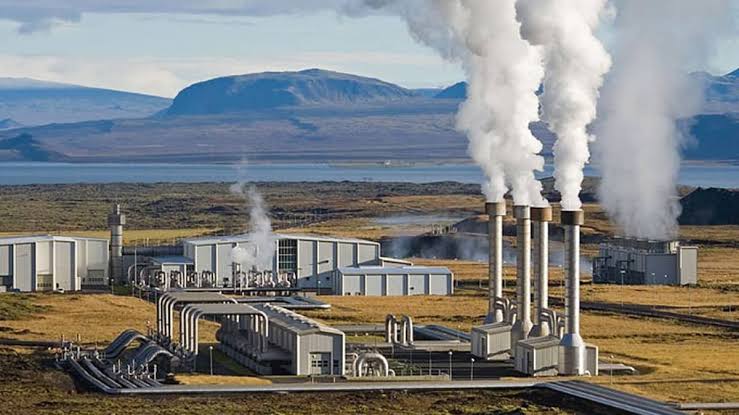
Home Technology Construction Energy Housing & Finance Transport Interior Design Magazine Modern Builder 2nd Edition 2025 EAST AFRICAN MODERN BUILDER FOURTH EDITION 2024 EAST AFRICAN MODERN BUILDER 2023 FOURTH EDITION Home Technology Construction Energy Housing & Finance Transport Interior Design Magazine Modern Builder 2nd Edition 2025 EAST AFRICAN MODERN BUILDER FOURTH EDITION 2024 EAST AFRICAN MODERN BUILDER 2023 FOURTH EDITION Kenya stands tall as one of Africa’s pioneers in geothermal energy. From the steaming fields of Olkaria to the promising grounds of Menengai, the country has tapped deep into the earth to draw out clean, reliable, and sustainable energy. This progress is worth celebrating, but it also calls for careful planning to ensure that geothermal energy becomes a lasting solution, not just a short-term success. Geothermal energy is one of the few power sources that works around the clock. Unlike solar or wind, it doesn’t rely on sunshine or breezes. This reliability makes it perfect for powering industries, schools, and homes without interruption. As Kenya continues to seek energy independence and reduce its reliance on costly fossil fuels, geothermal stands out as a smart and sustainable option. However, to make the most of this resource, the government must think long-term. Strategic planning is essential — from mapping new potential sites and training skilled technicians, to building modern infrastructure that can handle large-scale production. Without strong policies and coordination, geothermal development could face delays, wastage, or uneven benefits. Another crucial aspect is involving local communities. The people living near geothermal sites should not just witness development they should benefit from it. Fair compensation, job opportunities, and social projects such as schools and health centers can build trust and ensure that energy growth goes hand in hand with community progress. At the same time, partnerships with private investors and international energy experts should be encouraged. Transparent policies and investment-friendly environments can attract funding, technology, and innovation, which are vital for expanding the country’s geothermal capacity.
Home Technology Construction Energy Housing & Finance Transport Interior Design Magazine Modern Builder 2nd Edition 2025 EAST AFRICAN MODERN BUILDER FOURTH EDITION 2024 EAST AFRICAN MODERN BUILDER 2023 FOURTH EDITION Home Technology Construction Energy Housing & Finance Transport Interior Design Magazine Modern Builder 2nd Edition 2025 EAST AFRICAN MODERN BUILDER FOURTH EDITION 2024 EAST AFRICAN MODERN BUILDER 2023 FOURTH EDITION By Larmy Are you embarking on a journey to revitalize your living space through a renovation or flooring upgrade? The myriad of tile options available can be overwhelming, but fear not! Lioli Ceramica is here to be your trusted guide, offering not just 15, but a comprehensive set of tips to ensure your tile selection enhances your home’s elegance, durability, and overall appeal. Start with the Basics Delve into design magazines, online resources, and local showrooms to stay abreast of the latest trends and styles. This preliminary research will help you articulate your vision and streamline the tile selection process. Know the Types of Tiles Beyond the basics, delve into the nuances of tile types. Ceramic, porcelain, vitrified, and natural stone each have unique characteristics. Familiarize yourself with these to make an informed decision aligned with your lifestyle and aesthetic preferences. Where to Lay the Tiles Extend your consideration beyond typical spaces like kitchens and bathrooms. Tiles can transform unconventional areas such as ceilings, balconies, patios, and parking lots. Understanding your installation space is crucial for choosing tiles that endure in various environments. Porcelain Tiles The Trendsetter: Emphasize the versatility and resilience of porcelain tiles. Lioli Ceramica, as India’s premier porcelain tile manufacturer, provides an extensive array of designs and sizes to cater to diverse tastes. Pick the Design Style Consider the tactile and visual experience you want for each room. Whether it’s the warmth of wood, the opulence of marble, or the earthiness of stone, your tile choices can dramatically shape the ambiance of your living spaces. Size It Up Size matters, and it’s not just about following trends. Tailor your tile size to your room’s dimensions, keeping balance and proportion in mind. Experiment with layout patterns to add an extra layer of visual interest. The Perfect Finish Delve into the world of tile finishes beyond matte and glossy. Explore natural terracotta, concrete, or stone finishes to add character while ensuring long-term functionality. Choose the Grout Grout is more than just a functional element; it’s an aesthetic choice. Experiment with different grout colors to either complement or contrast with your tiles. Sealing the grout ensures its longevity and minimizes maintenance. The Charm of Colors Dive deeper into the psychology of colors to influence mood and perception. Explore shades that resonate with your desired atmosphere, and don’t shy away from mixing and matching for a personalized touch. Do Not Forget the Tile Hardness Dig deeper into the Moh’s scale to understand the tile hardness class. Consider not just foot traffic but also the specific demands of the intended space, ensuring your tiles meet durability expectations. Don’t Miss Tile Porosity Expand your understanding of tile porosity to make an informed choice. For high-moisture areas, opt for impervious tiles, while less dense options may suit areas with lighter foot traffic. Go for Slip-Resistant Tiles Safety is paramount, especially in wet areas. Explore anti-slip options, including porcelain, ceramic, and natural stone tiles, to minimize slipping risks. Porcelain Hardwood Tiles vs.Natural Wood Delve into the advantages of wood-finish porcelain tiles. Beyond durability and low maintenance, these tiles offer a cost-effective solution to achieve the warmth of hardwood throughout your home. Plan Ahead Elevate your planning by considering tile quantity in conjunction with the layout pattern. Adding an extra 10% allows for contingencies and ensures a seamless installation process. Leave the Installation to the Experts Collaborate with seasoned tile installers to bring your vision to life. They can offer insights into layout, grout selection, and adhesive application, ensuring a professional finish that enhances the beauty of your chosen tiles.
Transport Cabinet Secretary, Kipchumba Murkomen, has unveiled plans to mandate the inclusion of non-motorised transport (NMT) corridors in all major city road construction projects. Speaking at the 27th World Road Congress held in Prague, Czech Republic, Murkomen outlined the country’s commitment to adopting a national transport policy to facilitate this transformation. “As a nation, we are on the verge of finalizing our national transport policy, which is set to be approved by parliament in the near future,” Murkomen announced. This policy underscores Kenya’s dedication to addressing the challenges posed by urban congestion, pollution, and the increasing demand for sustainable transportation options. He further revealed that parliament is actively working on regulations that will make it compulsory for all forthcoming road projects within urban areas to accommodate NMT infrastructure. These regulations aim to create a safer and more accessible urban environment for pedestrians and cyclists, reducing their reliance on motorized vehicles. The move towards NMT infrastructure is a part of Kenya’s broader vision for sustainable urban development. It not only promotes cleaner, more efficient transportation but also enhances public health and quality of life. By encouraging walking and cycling, the government aims to reduce air pollution, lower greenhouse gas emissions, and alleviate traffic congestion. “These regulations will encompass various NMT elements, including dedicated cycling lanes, ensuring that pedestrians and cyclists have safe and accessible spaces within the urban transport network,” Murkomen stated. By creating designated lanes for cyclists and pedestrians, the government seeks to make NMT a more appealing and practical choice for daily commuting, promoting healthier lifestyles and contributing to reduced traffic-related accidents. “Parliament is in the process of introducing a private members bill to enforce the integration of non-motorised transport features as a mandatory requirement for all future road constructions within urban areas,” Murkomen reiterated. This legislative effort demonstrates Kenya’s strong commitment to the sustainable transformation of its cities and underscores the importance of NMT in achieving these goals. The Transport Cabinet Secretary also emphasized that road agencies are already taking steps to redesign existing roads wherever possible to incorporate NMT infrastructure. The increasing competition for road space between cyclists and pedestrians on one hand and motorbikes on the other underscores the urgency of this transition. Adapting existing road infrastructure is a crucial aspect of this initiative, ensuring that NMT users can enjoy safe and efficient pathways. Furthermore, the government’s commitment extends to constructing cycling bridges in select areas of major cities, thus creating additional opportunities for non-motorised transport users. These cycling bridges will not only improve connectivity for cyclists but also promote a sense of safety and convenience, further encouraging their use. To ensure compliance with these new measures, strict penalties will be imposed on those who violate the use of cycling and walking paths. This approach aims to foster a culture of respect and adherence to the new NMT infrastructure, making it a practical and viable choice for daily commuting. Beyond these specific developments, the 27th World Road Congress will address broader topics related to mobility and infrastructure. Experts will delve into subjects such as electromobility, autonomous vehicles, and the transportation industry’s growing focus on achieving carbon neutrality. These discussions highlight Kenya’s determination to stay at the forefront of sustainable transportation solutions, aligning with global efforts to reduce emissions and combat climate change. The congress aims to actively engage with the general public, with a particular emphasis on involving and raising awareness among the youth about the importance of safe and sustainable urban transport solutions. This outreach seeks to empower the next generation of Kenyan citizens to take an active role in shaping the future of their cities by prioritizing NMT and environmentally responsible transportation options. Transport Cabinet Secretary, Kipchumba Murkomen, has unveiled plans to mandate the inclusion of non-motorised transport (NMT) corridors in all major city road construction projects. Speaking at the 27th World Road Congress held in Prague, Czech Republic, Murkomen outlined the country’s commitment to adopting a national transport policy to facilitate this transformation. “As a nation, we are on the verge of finalizing our national transport policy, which is set to be approved by parliament in the near future,” Murkomen announced. This policy underscores Kenya’s dedication to addressing the challenges posed by urban congestion, pollution, and the increasing demand for sustainable transportation options. He further revealed that parliament is actively working on regulations that will make it compulsory for all forthcoming road projects within urban areas to accommodate NMT infrastructure. These regulations aim to create a safer and more accessible urban environment for pedestrians and cyclists, reducing their reliance on motorized vehicles. The move towards NMT infrastructure is a part of Kenya’s broader vision for sustainable urban development. It not only promotes cleaner, more efficient transportation but also enhances public health and quality of life. By encouraging walking and cycling, the government aims to reduce air pollution, lower greenhouse gas emissions, and alleviate traffic congestion. “These regulations will encompass various NMT elements, including dedicated cycling lanes, ensuring that pedestrians and cyclists have safe and accessible spaces within the urban transport network,” Murkomen stated. By creating designated lanes for cyclists and pedestrians, the government seeks to make NMT a more appealing and practical choice for daily commuting, promoting healthier lifestyles and contributing to reduced traffic-related accidents. “Parliament is in the process of introducing a private members bill to enforce the integration of non-motorised transport features as a mandatory requirement for all future road constructions within urban areas,” Murkomen reiterated. This legislative effort demonstrates Kenya’s strong commitment to the sustainable transformation of its cities and underscores the importance of NMT in achieving these goals. The Transport Cabinet Secretary also emphasized that road agencies are already taking steps to redesign existing roads wherever possible to incorporate NMT infrastructure. The increasing competition for road space between cyclists and pedestrians on one hand and motorbikes on the other underscores the urgency of this transition. Adapting existing road infrastructure is