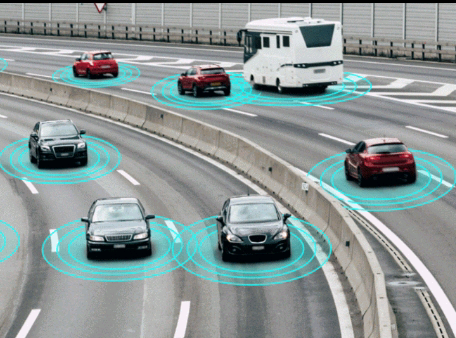
The world of road transport is evolving at an unprecedented pace. With rapid advancements in technology, growing urban populations, and increasing concerns about climate change, the future of roads is set to be dramatically different from what we know today. From electric vehicles and autonomous cars to smart highways and integrated traffic management systems, the next generation of road transport promises safer, faster, and more sustainable travel.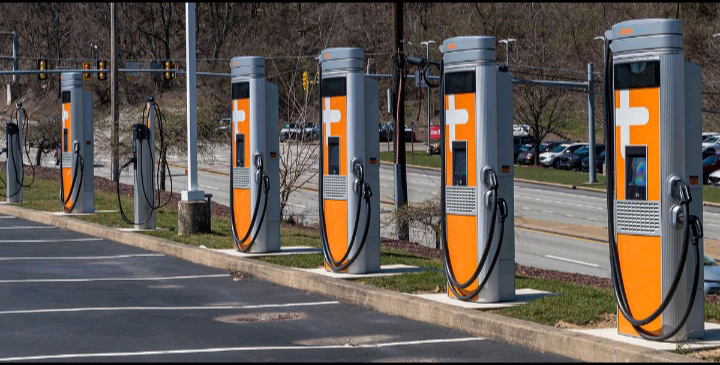
One of the most transformative developments is the rise of autonomous vehicles. Self-driving cars, trucks, and buses are no longer a futuristic concept—they are being tested and integrated into urban transport systems worldwide. Autonomous vehicles rely on sensors, cameras, and artificial intelligence to navigate roads safely, reduce human error, and optimize traffic flow. By minimizing accidents caused by speeding, distracted driving, or fatigue, self-driving technology has the potential to save thousands of lives annually. In addition, autonomous fleets can improve efficiency for public transport and logistics, reducing congestion and fuel consumption.
Closely linked to autonomous technology is the shift toward electric vehicles (EVs). Governments and automakers are increasingly prioritizing EVs to reduce greenhouse gas emissions and dependence on fossil fuels. Electric buses, trucks, and private vehicles are being introduced in cities across the globe, supported by expanding charging infrastructure. For developing countries, adopting EVs presents both a challenge and an opportunity: while the initial cost of vehicles and charging stations can be high, the long-term benefits include reduced air pollution, lower operational costs, and alignment with global sustainability goals.
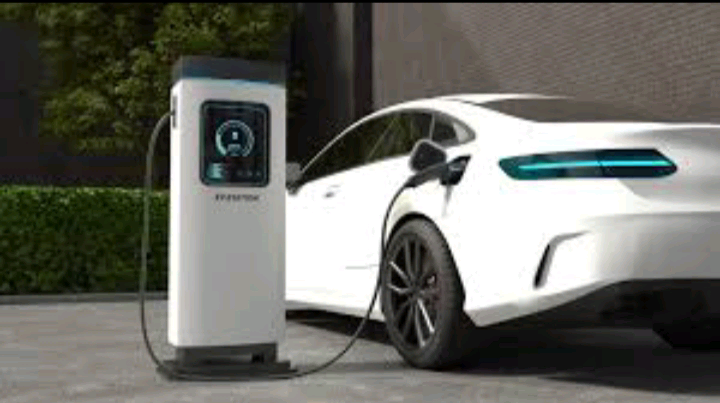 The concept of smart roads and intelligent traffic management is another key feature of the future of road transport. Roads will be embedded with sensors, cameras, and digital communication systems that provide real-time information to vehicles and traffic control centers. Smart highways can detect traffic congestion, alert drivers to hazards, and even dynamically adjust speed limits to optimize flow. In the long term, some roads may integrate wireless charging technology for electric vehicles, enabling cars to recharge while moving. These innovations promise to make commuting faster, safer, and more energy-efficient.
Urban planning will also adapt to future road transport. With autonomous and shared vehicles, cities may require fewer parking lots, opening up space for green areas, cycling lanes, and pedestrian zones. Multi-modal transport hubs will connect road transport with rail, air, and waterways, creating a seamless network for passengers and cargo. This integrated approach reduces congestion and pollution while improving accessibility for all residents.
Safety and environmental sustainability will be central to future road systems. Advanced driver-assistance systems, vehicle-to-vehicle (V2V) communication, and predictive analytics will drastically reduce accidents caused by human error. At the same time, the widespread adoption of low-emission vehicles and eco-friendly infrastructure will help curb air pollution and carbon footprints. Governments and transport authorities will play a critical role in enforcing regulations, incentivizing green technologies, and investing in resilient road infrastructure.
Despite these exciting prospects, challenges remain. High costs, technological complexity, cybersecurity risks, and resistance to change may slow adoption in some regions. Additionally, the transition to electric and autonomous vehicles requires extensive investment in power grids, road infrastructure, and public awareness campaigns. Addressing these obstacles will require collaboration between governments, private companies, engineers, and communities.
The future of road transport is poised to be smarter, safer, and greener. Autonomous vehicles, electric mobility, smart roads, and integrated urban planning will redefine how people and goods move. While challenges exist, the promise of reduced accidents, faster travel, lower emissions, and more livable cities makes the future of roads an exciting journey toward innovation and sustainability. By embracing these advancements today, we are paving the way for a world where road transport is not just functional, but intelligent, safe, and sustainable.