The construction industry has long been recognized as one of the pillars of economic development, providing the infrastructure needed for housing, transportation, healthcare, education, and commerce. Traditionally, construction relied heavily on manual labor, conventional materials, and time-consuming processes. However, the rapid advancement of technology is transforming the industry, making construction projects faster, safer, more efficient, and environmentally sustainable. Today, innovations such as artificial intelligence, robotics, drones, 3D printing, and digital design tools are reshaping how buildings and infrastructure are planned, constructed, and maintained.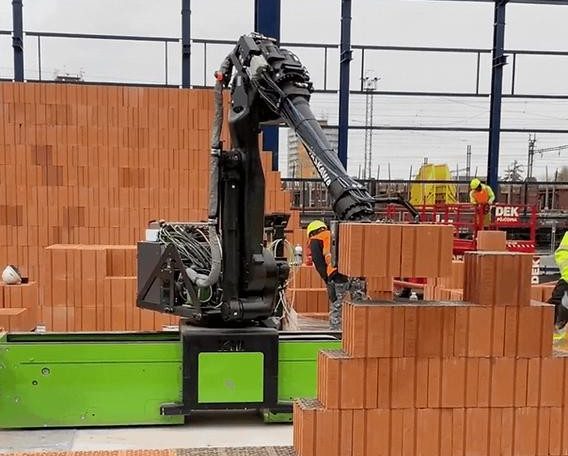
One of the most significant technological advancements in construction is Building Information Modeling (BIM). BIM is a digital process that enables architects, engineers, and contractors to create detailed three-dimensional models of buildings before construction begins. Unlike traditional blueprints, BIM allows all stakeholders to collaborate in real time, identify design conflicts, estimate costs accurately, and improve project planning. This technology reduces costly errors, minimizes delays, and enhances the overall quality of construction projects.
Another groundbreaking innovation is 3D printing technology. Construction companies are now using large-scale 3D printers to produce walls, building components, and even complete houses within a matter of days. Compared to conventional construction methods, 3D printing significantly reduces labor costs, construction time, and material waste. It also offers greater design flexibility, allowing architects to create complex structures that would be difficult or expensive to achieve using traditional methods. As housing demand continues to grow, 3D printing presents a promising solution for affordable and rapid housing development.
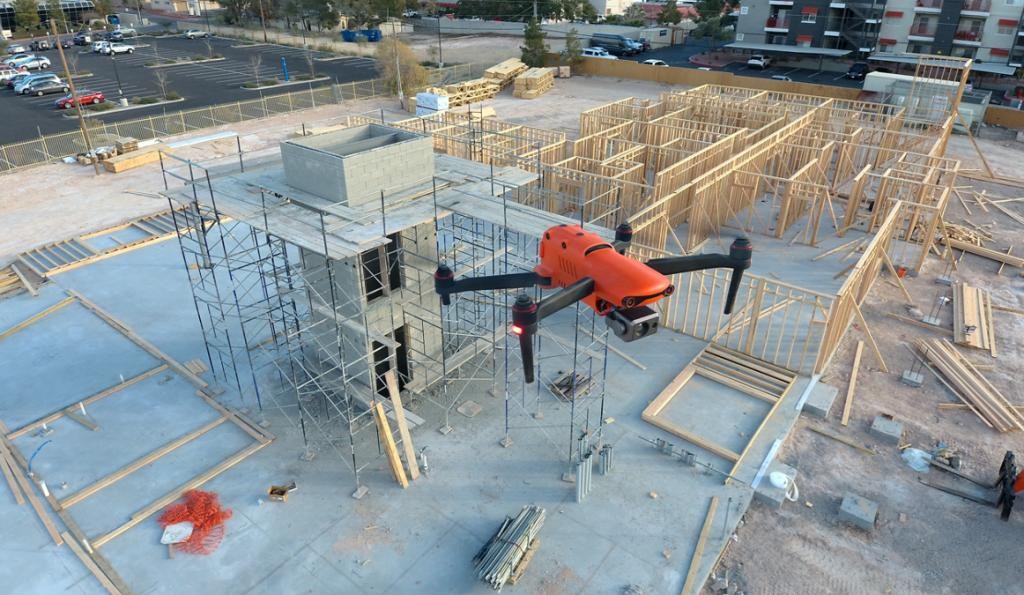
The use of drones has also revolutionized construction site management. Equipped with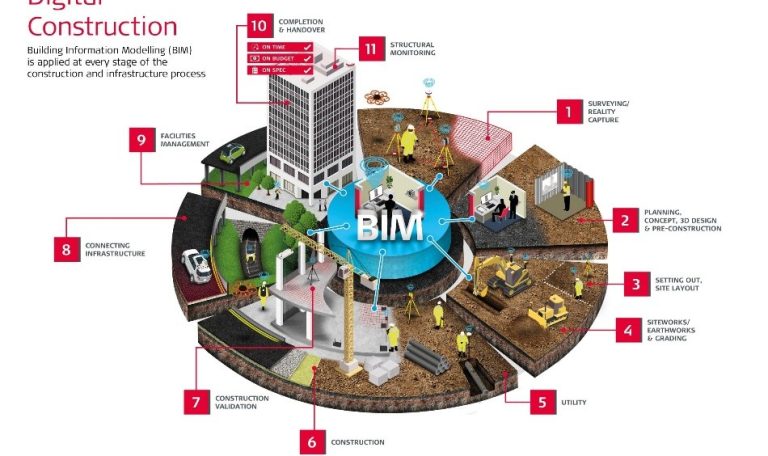 high-resolution cameras and advanced sensors, drones are used for land surveying, mapping, site inspections, and monitoring project progress. They can quickly capture aerial images and generate accurate topographical data, eliminating the need for lengthy manual surveys. Drones also improve safety by inspecting hazardous or hard-to-reach areas without exposing workers to unnecessary risks. Their ability to provide real-time information enables project managers to make faster and better-informed decisions.
Artificial Intelligence (AI) is becoming increasingly important in modern construction. AI-powered software can analyze large volumes of project data to predict delays, optimize schedules, estimate costs, and improve resource allocation. Some systems even identify potential safety hazards before they occur by analyzing worker behavior and site conditions. This predictive capability helps contractors reduce risks, improve productivity, and complete projects more efficiently.
Robotics is another technology transforming the construction industry. Automated machines can now perform repetitive and physically demanding tasks such as bricklaying, concrete pouring, welding, and demolition. Construction robots work with greater precision and consistency, reducing human error while increasing productivity. Although robots are unlikely to replace skilled workers entirely, they are expected to complement the workforce by handling dangerous or labor-intensive activities.
Technology is also driving the growth of green construction. Modern buildings increasingly incorporate energy-efficient designs, smart lighting systems, solar panels, rainwater harvesting, and sustainable building materials. Smart buildings use sensors and automated systems to control lighting, heating, ventilation, and security, reducing energy consumption and operating costs. These innovations contribute to environmental conservation while providing healthier and more comfortable living and working spaces.
Despite these remarkable advancements, several challenges remain. The adoption of modern construction technologies often requires significant financial investment, making them difficult for small contractors to afford. There is also a growing demand for skilled professionals capable of operating advanced digital tools and automated equipment. In addition, cybersecurity concerns have emerged as construction projects become increasingly dependent on digital systems and cloud-based platforms.
To maximize the benefits of technological innovation, governments, educational institutions, and private companies must invest in research, training, and infrastructure. Construction professionals need continuous training to keep pace with emerging technologies, while policymakers should develop regulations that encourage innovation without compromising safety and quality standards.
technology is fundamentally reshaping the construction industry by improving efficiency, safety, sustainability, and project quality. Innovations such as Building Information Modeling, 3D printing, drones, artificial intelligence, robotics, and smart building systems are transforming how infrastructure is designed and built. Although challenges such as cost and skills shortages remain, the future of construction is undoubtedly digital and technology-driven. By embracing these innovations, the construction industry can deliver stronger, smarter, and more sustainable infrastructure that meets the demands of a rapidly changing world.