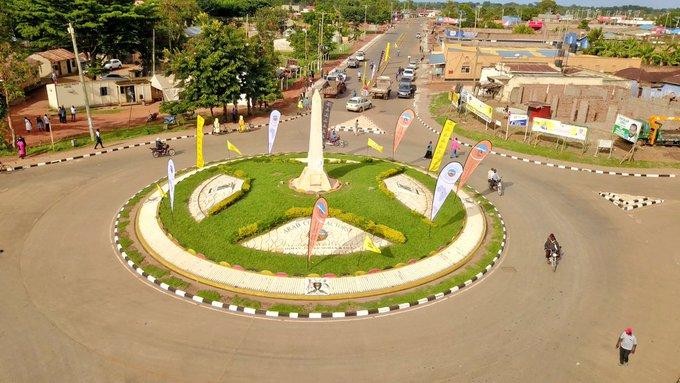
Road safety is often associated with responsible driving, strict traffic laws, and effective law enforcement. While these factors are essential, the design of roads themselves plays an equally critical role in preventing accidents and saving lives. Around the world, engineers are increasingly adopting the principle of “Road Safety by Design,” an approach that integrates safety into every stage of road planning, construction, and maintenance. Instead of relying solely on drivers to avoid crashes, road safety by design creates infrastructure that minimizes risks, reduces the severity of accidents, and protects all road users, including pedestrians, cyclists, motorists, and public transport operators.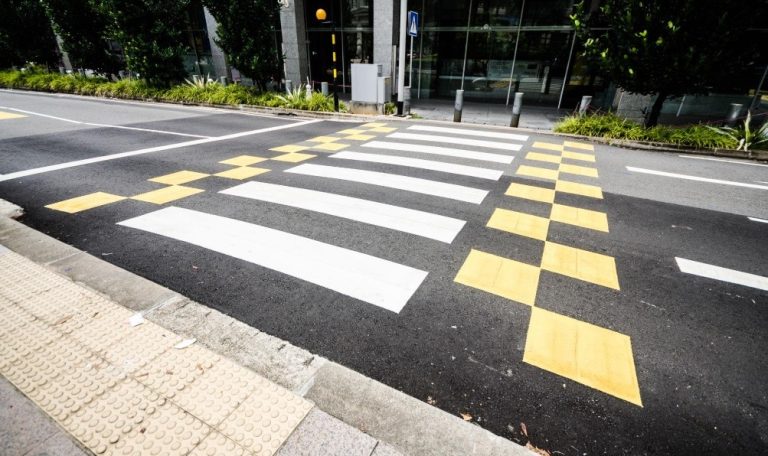
East Africa has experienced significant growth in road infrastructure over the past two decades. Governments have invested heavily in highways, bypasses, bridges, and urban roads to support economic development and regional integration. However, the increase in road networks has also been accompanied by rising numbers of road traffic accidents, many of which result in fatalities or life-changing injuries. According to road safety experts, many of these accidents are linked not only to human error but also to poor road design, inadequate signage, unsafe intersections, and insufficient pedestrian facilities.
One of the most effective elements of road safety by design is proper road geometry. Engineers carefully design road curves, gradients, lane widths, and visibility distances to give drivers adequate time to react to changing road conditions. Dangerous sharp bends can be redesigned with smoother curves, while steep slopes are engineered to improve vehicle control. Good road geometry reduces driver fatigue, improves visibility, and lowers the likelihood of collisions.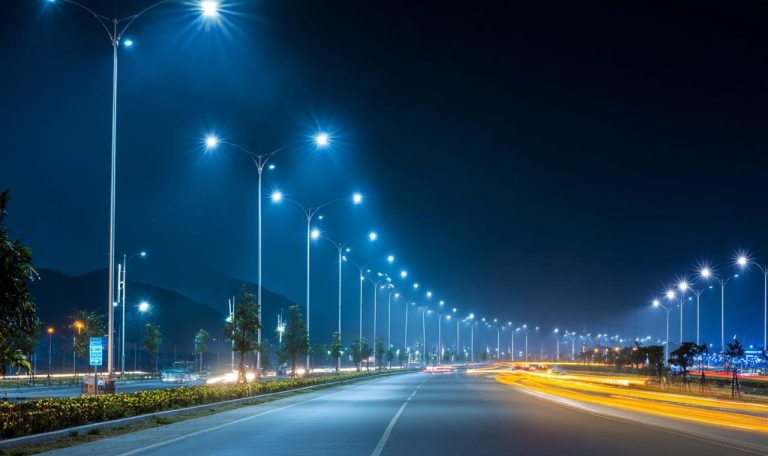
Another essential component is high-quality road signage and pavement markings. Clear traffic signs provide drivers with timely information about speed limits, upcoming intersections, school zones, and potential hazards. Reflective lane markings, directional arrows, and warning signs remain visible at night and during adverse weather, guiding motorists safely along the road. Consistent and well-maintained road markings also help reduce confusion, particularly in busy urban areas.
Pedestrian safety is becoming increasingly important as cities expand. Many road accidents occur because pedestrians are forced to share road space with vehicles. Modern road design addresses this challenge by incorporating sidewalks, raised pedestrian crossings, footbridges, pedestrian islands, and traffic calming measures such as speed humps and raised intersections. These features provide safe crossing points and encourage motorists to reduce speed in areas with high pedestrian activity, including schools, hospitals, markets, and residential neighborhoods.
Road barriers and guardrails are another vital safety feature. Installed along highways, bridges, and steep embankments, guardrails prevent vehicles from leaving the roadway during emergencies. Median barriers separating opposing traffic lanes significantly reduce the risk of head-on collisions, which are among the most severe types of road crashes. Crash cushions and energy-absorbing barriers further protect motorists by reducing the impact of collisions with fixed structures.
Technology is also transforming road safety. Intelligent Transport Systems (ITS) use cameras, sensors, variable message signs, and smart traffic signals to monitor traffic flow and respond to changing road conditions in real time. Adaptive traffic lights adjust signal timing based on traffic volumes, reducing congestion and improving traffic efficiency. Speed cameras and automated enforcement systems encourage compliance with traffic regulations while improving overall road discipline.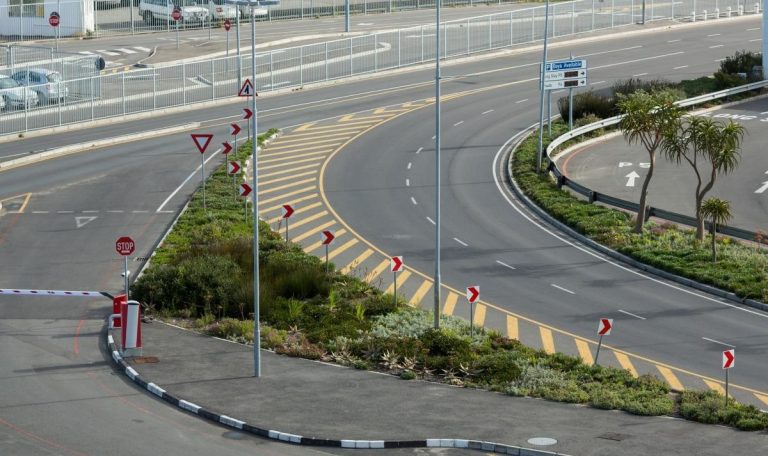
Street lighting is another often-overlooked aspect of safe road design. Well-lit roads improve visibility for both drivers and pedestrians, particularly at intersections, roundabouts, and pedestrian crossings. Modern LED street lighting consumes less energy while providing brighter and more uniform illumination, contributing to safer nighttime travel and lower maintenance costs.
Despite these advances, challenges remain across many parts of East Africa. Inadequate maintenance, faded road markings, damaged guardrails, poor drainage, and encroachment on road reserves continue to compromise road safety. Limited funding and rapid urbanization have also placed pressure on existing transport infrastructure. Addressing these issues requires stronger investment in road maintenance, regular safety audits, and strict adherence to engineering standards during both construction and rehabilitation projects.
road safety begins long before a vehicle enters the highway. It starts at the design stage, where engineers make critical decisions that influence how safely people travel. By integrating proper road geometry, clear signage, pedestrian facilities, protective barriers, intelligent traffic systems, and effective lighting, governments can significantly reduce road accidents and save thousands of lives. As East Africa continues expanding its transport infrastructure, adopting a “Safety by Design” approach will ensure that roads are not only built to move people efficiently but also to protect every person who uses them.