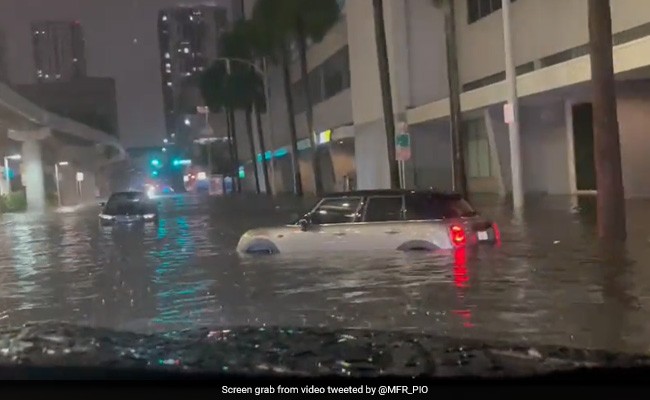
How Poor Drainage Systems Turn Rain Into Disaster Flooding has become one of the most common natural disasters affecting cities around the world. What was once considered a seasonal challenge in many regions is now a frequent and destructive problem. In many urban areas, even a few hours of heavy rainfall can lead to flooded streets, damaged homes, and disrupted daily life. While extreme weather contributes to this problem, poor drainage systems and inadequate urban planning often turn ordinary rain into devastating floods. Urban flooding occurs when rainwater cannot drain properly from roads, neighborhoods, and public spaces. Cities are covered with concrete, asphalt, and buildings that prevent water from naturally soaking into the ground. As a result, rainwater quickly accumulates on surfaces and flows into drainage channels. When these drainage systems are poorly designed, blocked, or insufficient, they fail to handle the large volumes of water, causing floods. One of the major causes of urban flooding is blocked drainage systems. In many cities, drainage channels are filled with garbage, plastic waste, soil, and debris. These materials obstruct the free flow of water, forcing it to overflow onto roads and residential areas. Improper waste disposal practices worsen this situation, as people often dump waste into drainage systems without considering the consequences. During heavy rains, the blocked channels cannot carry water away efficiently, leading to widespread flooding. Another factor contributing to flooding is rapid urbanization. As cities expand, natural landscapes such as wetlands, forests, and open fields are replaced by buildings and paved surfaces. These natural areas previously absorbed rainwater and reduced the risk of floods. When they are replaced by impermeable surfaces, water has nowhere to go except into drainage systems that may already be overwhelmed. Poor urban planning, including construction in flood-prone areas, further increases the vulnerability of communities to flooding. Climate change has also intensified the problem of flooding in many parts of the world. Changes in weather patterns have led to heavier and more unpredictable rainfall. Storms that once occurred occasionally are becoming more frequent and intense. This increased rainfall places additional pressure on already strained drainage infrastructure, making floods more severe and widespread. The impacts of urban flooding are far-reaching and often devastating. Homes and businesses may suffer serious damage as water enters buildings and destroys property. Roads become impassable, disrupting transportation and economic activities. Schools may close, hospitals may struggle to operate, and essential services can be interrupted. In severe cases, flooding can lead to injuries, loss of life, and displacement of families. Floodwater also poses serious health risks. When sewage systems overflow, floodwater becomes contaminated with bacteria, chemicals, and waste. People exposed to such water are at risk of diseases such as cholera, typhoid, and other waterborne infections. Children are particularly vulnerable because they may unknowingly play in contaminated floodwater. Addressing urban flooding requires a combination of effective planning, infrastructure improvement, and community participation. Governments and local authorities must invest in modern drainage systems that can handle heavy rainfall. Regular maintenance of drainage channels is essential to ensure they remain clear and functional. Urban planners should also protect wetlands and natural water absorption areas to reduce flood risks. Public awareness and responsible waste management are equally important. Communities must be educated about the importance of keeping drainage systems free from waste. Simple actions such as proper disposal of garbage and community clean-up activities can significantly reduce the risk of blocked drainage systems. In conclusion, urban flooding is not only a result of heavy rainfall but also a consequence of poor drainage systems, rapid urbanization, and environmental changes. By improving infrastructure, promoting responsible waste management, and adopting sustainable urban planning practices, cities can reduce the risk of flooding and protect communities from its devastating impacts. As climate change continues to influence weather patterns, taking proactive steps today is essential to prevent rain from turning into disaster tomorrow.