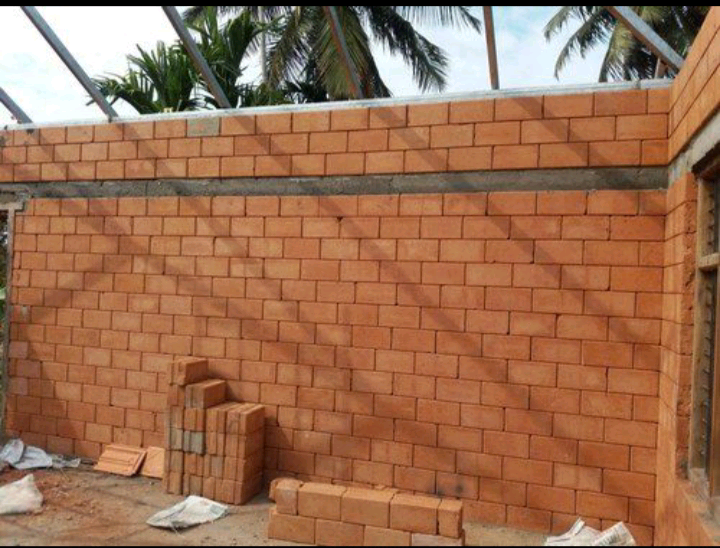
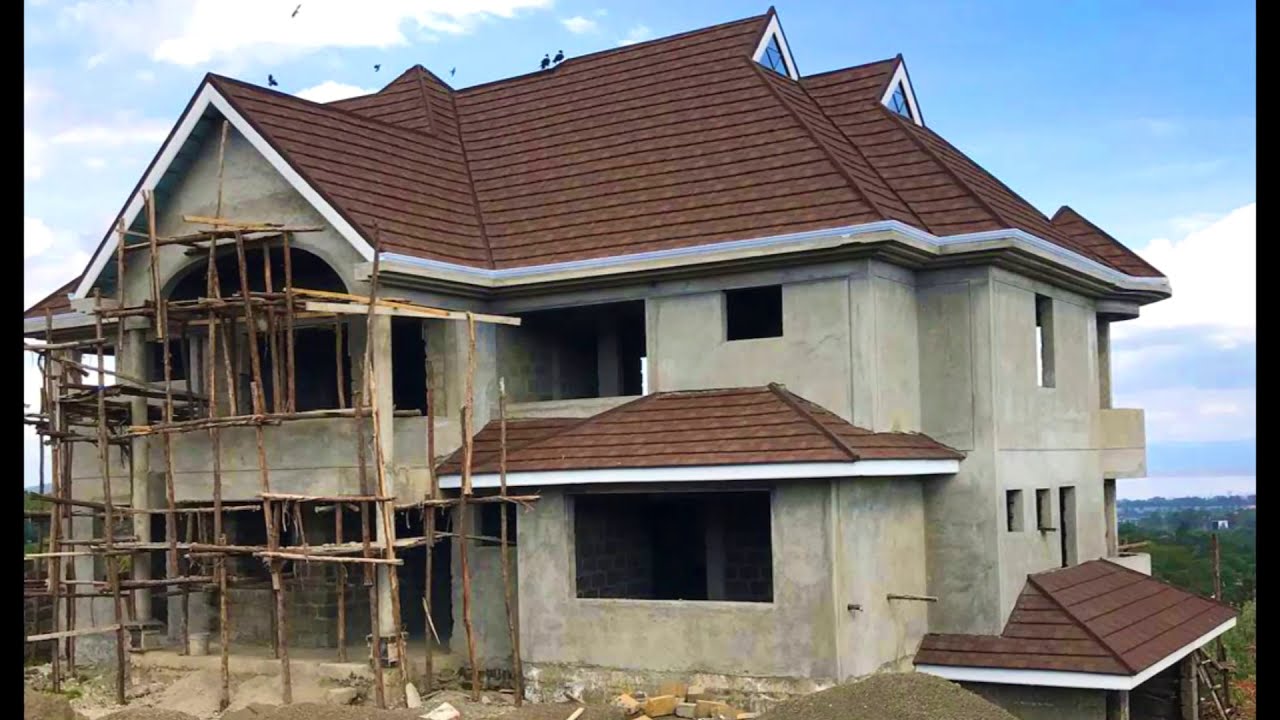
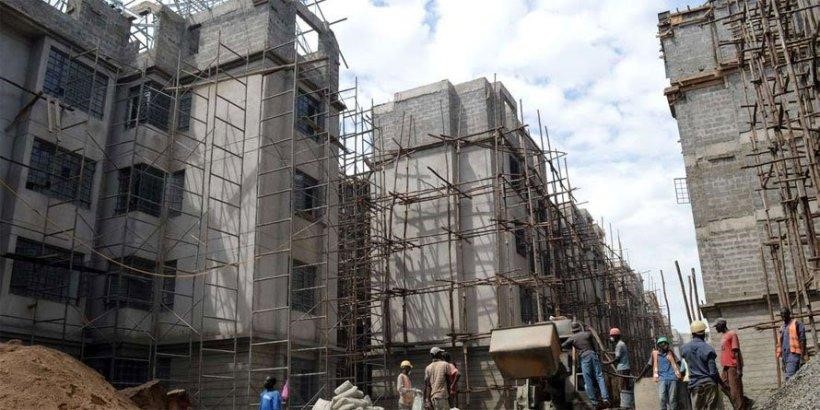
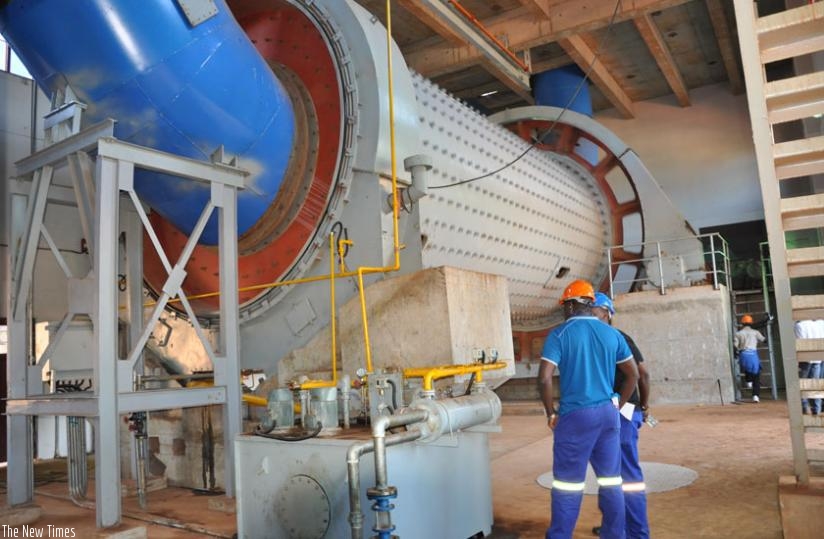
Automation and robotics are transforming industries across the world, and construction is quickly becoming one of the biggest beneficiaries of this technological shift. Once perceived as a slow, labour-intensive, and highly manual sector, construction is now adopting machines and intelligent systems that bring unprecedented levels of speed, accuracy, and cost efficiency. Robots are laying bricks, drones are inspecting tall buildings, and AI-powered tools are helping contractors manage complex tasks with precision. As East Africa rapidly urbanises and invests heavily in large infrastructure projects, the question is not whether automation will shape the region’s future, but how quickly it can be adopted to meet growing demand. Robotics in construction refers to machines capable of performing tasks traditionally done by human workers, including bricklaying, welding, excavation, and inspection. Automation, on the other hand, involves digital systems and software that streamline project management, eliminate delays, and enhance accuracy. Together, these technologies are redefining the construction landscape by reducing human error, minimizing wastage, and increasing productivity. For East Africa—where urban housing deficits persist and delays in public projects often stretch budgets—these innovations offer practical and scalable solutions. One of the most exciting applications is robotic bricklaying. Machines such as the Semi-Automated Mason (SAM) can lay thousands of bricks per day with perfect precision, significantly reducing the time required to build housing units. This is particularly important for East Africa’s affordable housing agenda, as governments across Kenya, Tanzania, Uganda, and Rwanda seek faster ways to meet demand. These robots do not replace workers but complement them, allowing human labour to focus on more skilled tasks like finishing, roofing, and plumbing while robots handle repetitive and strenuous work. Another major advancement is the use of autonomous heavy machinery. Excavators, bulldozers, and graders fitted with sensors, GPS, and artificial intelligence can carry out excavation and earthworks with superior accuracy. This reduces rework, conserves fuel, and allows large projects to move faster. In East Africa—where major roads, dams, and commercial projects are underway—autonomous machinery could drastically improve project timelines and reduce construction costs, helping governments stay within budget and deliver infrastructure more efficiently. Safety, a major concern in the construction industry, is also being revolutionized by automation. Drones equipped with high-resolution cameras can survey large construction sites, inspect tall structures, and identify hazards without putting workers at risk. AI systems analyze site images in real time, detect unsafe behavior, and alert supervisors before accidents happen. In a region where construction-site injuries and fatalities remain a challenge, such systems could transform safety standards and reduce insurance and medical costs. Automation goes beyond physical robotics. Software such as Building Information Modelling (BIM), AI scheduling tools, digital permits, and automated cost estimators are increasingly shaping modern project delivery. These digital systems help contractors plan better, forecast risks early, track materials, and detect design clashes before construction begins. When combined with robotics, these tools ensure faster delivery, improved accountability, and higher quality. However, adopting automation and robotics in East Africa comes with notable challenges. The initial cost of advanced machines is high, and many local contractors may struggle to invest without support. Technical skills are limited, requiring training programs in robotics, AI, and digital construction tools. Regulatory frameworks also need updating, as some countries do not yet have clear guidelines for robotic construction. Infrastructure issues such as inconsistent electricity, weak internet connectivity, and limited digital literacy also slow down adoption, especially in rural areas. Despite these challenges, the long-term benefits far outweigh the obstacles. East Africa is undergoing a construction boom, with new expressways, universities, housing estates, hospitals, and energy projects being launched every year. Automation and robotics offer a pathway to deliver these projects faster, safer, and more affordably. By encouraging public–private partnerships, investing in training, and supporting innovation hubs, governments can accelerate adoption and position East Africa as a regional leader in modern construction technology. In conclusion, automation and robotics represent the next frontier of construction in East Africa. These technologies will not replace people but will empower them—allowing workers to take on more skilled tasks while machines handle repetitive, dangerous, and time-consuming activities. As the region continues to build its cities of the future, embracing automation will be key to achieving efficiency, sustainability, and global competitiveness. East Africa stands at the edge of a construction revolution, and the adoption of robotics could be the catalyst that transforms its infrastructure landscape for generations to come.
3D printing is rapidly emerging as one of the most revolutionary technologies in the global construction sector. What began as a futuristic concept—machines printing houses layer by layer—has now become a practical solution used in countries such as the United States, the Netherlands, and the UAE. As East Africa continues to face rapid urbanisation, population growth, and an urgent demand for affordable housing, the big question arises: Can East Africa realistically adopt 3D printing in construction? The answer is promising, though not without challenges. 3D printing in construction, also known as additive manufacturing, involves using advanced machines to extrude concrete or other building materials in layers to create walls, floors, and structural components. This method reduces reliance on traditional bricklaying, speeds up construction timelines, and dramatically lowers labour and material costs. For a region where housing shortages are a persistent issue—especially in Kenya, Uganda, Tanzania, and Rwanda—3D printing presents a potentially transformative solution. One of the most significant advantages of 3D-printed construction is speed. A typical 3D-printed house can be completed in 24 to 72 hours, compared to weeks or months using conventional methods. This rapid pace could help governments and private developers tackle the widening housing gap more efficiently. Kenya alone faces a deficit of more than two million housing units, and affordable housing remains a central national agenda. 3D printing offers a realistic pathway to reduce this deficit by enabling mass-scale, rapid, and cost-friendly home production. Another strength of 3D printing lies in its cost-effectiveness. Using automated systems reduces the need for a large workforce, and because materials are dispensed precisely, wastage is minimized. Builders can save up to 30 percent in material usage and nearly 50 percent in labor costs. In East Africa, where construction budgets are often limited and material prices fluctuate due to imports, such savings could be a major breakthrough. Additionally, 3D printing supports the use of locally sourced raw materials, which can further reduce dependence on expensive imported construction inputs. Environmental sustainability also makes 3D printing attractive. The technology allows for energy-efficient designs, reduced carbon emissions, and eco-friendly building mixtures. As East Africa increasingly feels the effects of climate change—frequent floods, droughts, and unpredictable weather—sustainable construction is no longer optional but necessary. Printed homes can be engineered to withstand harsh environmental conditions, making them ideal for vulnerable communities in need of durable shelter. Despite the potential, adopting 3D construction in East Africa does not come without challenges. The technology requires significant initial investment, as 3D printers for construction are expensive and specialized. Many local contractors and government agencies may lack the technical capacity to operate these machines, which calls for training, partnerships, and updated construction policies. Additionally, some national building codes may not yet recognize 3D-printed structures, creating legal and regulatory gaps that must be addressed before full adoption is possible. Infrastructure limitations also pose obstacles. Reliable electricity, stable internet, and well-maintained roads are all essential for the deployment of large-scale 3D printing technologies. Some rural areas may struggle with these requirements, meaning the technology might initially be more feasible for urban centres or pilot projects. However, early signs of adoption are already visible. Globally, 3D-printed homes have proven successful in providing disaster relief housing, low-cost estates, and innovative architectural designs. East Africa can learn from these examples, especially by partnering with international technology firms and universities to pilot projects, build demonstration homes, and develop skilled labour. In conclusion, 3D printing in construction represents a bold and innovative solution for East Africa’s housing and infrastructure challenges. While obstacles such as cost, skills, and policy exist, the long-term benefits—speed, affordability, sustainability, and resilience—make it an opportunity worth pursuing. With the right planning and investment, East Africa could become one of the regions that adopt and benefit from this groundbreaking technology, potentially setting a new standard for building the future.
The planned expansion of the Mahia–Mau Road is a critical infrastructure intervention aimed at improving road safety, traffic efficiency, and long-term pavement performance along one of the most accident-prone corridors in the region. From an engineering standpoint, the upgrade addresses the root causes of crashes through geometric redesign, structural strengthening, drainage improvement, and the integration of modern traffic control systems. Improved Road Geometry and Sight Distance A major contributor to accidents on the existing Mahia–Mau Road is substandard geometry, including sharp horizontal curves, steep gradients, and inadequate stopping sight distance. The expansion design includes curve realignment, optimized gradients, and widening of the carriageway to meet national highway design standards. Increasing the radius of curves and flattening excessive slopes will enhance driver visibility and vehicle stability, reducing loss-of-control incidents and head-on collisions. Lane Widening and Shoulder Provision The upgraded corridor will provide wider lanes and paved shoulders in accordance with design specifications. Narrow lanes currently force vehicles into close lateral interaction, increasing the likelihood of side-swipe collisions. Wider lanes will improve maneuverability, while paved shoulders will serve as recovery areas for errant vehicles and safe zones for emergency stops. The presence of shoulders also improves structural support for the pavement edge, minimizing edge failures that can destabilize vehicles. Structural Rehabilitation and Pavement Quality Pavement distress such as potholes, rutting, and cracking significantly increases accident risk by disrupting vehicle control and causing sudden braking or swerving. The expansion project includes full-depth pavement rehabilitation and the use of durable surfacing materials with improved skid resistance. A high-quality wearing course will enhance tire–road friction, reducing braking distance particularly under wet conditions and lowering the incidence of skidding-related crashes. Drainage and Stormwater Management Poor drainage is a common cause of pavement deterioration and hydroplaning accidents. The proposed works incorporate redesigned side drains, culverts, and cross-drainage structures to rapidly convey stormwater away from the carriageway. By minimizing water accumulation on the road surface and preventing subgrade weakening, the expansion will improve pavement longevity and maintain safe driving conditions during heavy rainfall. Traffic Engineering and Control Devices The expansion integrates modern traffic engineering solutions including upgraded signage, reflective pavement markings, and lane delineators. High-visibility markings and warning signs at curves, junctions, and pedestrian crossing points will enhance driver guidance, particularly at night and in adverse weather. Where traffic volumes warrant, the introduction of median islands, roundabouts, or controlled intersections will reduce conflict points and slow traffic in high-risk zones. Pedestrian and Non-Motorized Transport (NMT) Facilities A significant proportion of accidents occur due to the interaction between vehicles and vulnerable road users. The upgraded Mahia–Mau Road design provides for sidewalks, walkways, and designated crossing points in built-up areas. Separating pedestrian flows from vehicular traffic is an evidence-based safety measure that drastically lowers pedestrian fatalities and injuries. Construction of Safety Features and Roadside Protection Installation of guardrails, crash barriers, and embankment protection along hazardous sections will prevent run-off-road accidents and mitigate the severity of impacts. Clear zones will be established by removing roadside obstacles and stabilizing slopes, further reducing the risk of fatal crashes due to collisions with fixed objects. The expansion of the Mahia–Mau Road is more than a capacity upgrade; it is a comprehensive safety engineering project designed to eliminate crash causation factors through better geometry, stronger pavement, efficient drainage, and modern traffic systems. Once fully implemented, the upgraded corridor is expected to deliver measurable reductions in accidents, injuries, and fatalities while supporting sustainable mobility and economic growth in the region.
By Larmy Selecting the right paint color for your home is a pivotal decision that can significantly transform its overall appeal, establishing an inviting and harmonious atmosphere. Nevertheless, this choice can be overwhelming due to the vast array of options available in the market. To ensure you make the best selection, we’ve outlined ten critical factors you should keep in mind when choosing a paint color for your home: Lighting Take into account the natural lighting within the room, as it can dramatically influence how a paint color appears. Rooms with abundant natural light can handle darker colors, whereas those with minimal natural light may benefit from lighter shades to create a sense of brightness. Room Size Consider the size of the room before committing to a color. Darker colors can make a room feel smaller, while lighter shades can create an illusion of spaciousness. Existing Decor Evaluate the current decor and furnishings within the room. Select a paint color that complements existing elements such as furniture, curtains, and accessories. This harmonious approach can yield a cohesive and well-coordinated look. Mood Contemplate the mood and ambiance you aim to establish in the room. Cool colors like blue and green can promote a calm and tranquil atmosphere, while warm colors like red and yellow can evoke a more energetic and vibrant feel. Architectural Style The architectural style of your home should not be overlooked. Different architectural styles can be enhanced with specific paint colors. Traditional homes may benefit from classic and neutral colors, while modern homes can explore bold and contemporary hues. Undertones Pay attention to the undertones present in the paint color. Different colors possess underlying tones, such as warm, cool, or neutral. Understanding these undertones can help you select complementary colors for your home’s overall palette. Exterior Considerations If you are choosing an exterior paint color, consider the surroundings and the neighborhood. Ensure that the chosen color complements the overall look of the neighborhood while still reflecting your personal style. Durability and Maintenance: Assess the durability and maintenance requirements of the paint. Certain finishes and colors might demand more upkeep than others. Consider the practical aspects of maintaining the chosen color to ensure it remains fresh and vibrant over the years. Sample Testing Always test paint colors before making a final decision. Purchase small sample sizes and apply them to different areas of the room to observe how the color appears under various lighting conditions. This approach will provide a more accurate visualization of the end result. Long-term Vision Finally, think about your long-term vision for the space. Opt for timeless colors that will remain appealing and relevant for years to come, avoiding trendy colors that may quickly go out of style, necessitating frequent repainting.
The percentage of Africans who live in cities is predicted to rise by almost 60% by 2050, thus governments in emerging metropolitan centers should start embracing collaborations and skilled architectural practices. During this year’s congress, which was co-hosted by Sweden and Kenya, the International Federation of Landscape Architects (IFLA) issued this urgent request. The forum, which took place over two days on September 28 and 29, aimed to improve landscape architecture in light of Agenda 2030 for Sustainability. This will be accomplished by investigating novel approaches to group problem-solving, cross-border tactics, and potential networks of collaboration, all the while putting the pressing concerns of social injustice, climate change, and biodiversity loss front and center. According to data from the UN Department of Economic and Social Affairs, the percentage of Africans living in urban areas increased from 27% in 1950 to 40% in 2015. According to the UN, “the population is expected to increase by at least 60% by 2050, which will exacerbate the climate change crisis and highlight the urgent need for collaboration towards building sustainable cities.” Chief Architect Lawrence Mochama, speaking at the convention as a representative of the CS of the State Department for Public Works, stressed the government’s commitment to making cities sustainable in accordance with the debates from the African Climate Summit. “We cannot save our biodiversity alone; cooperation is necessary. According to Mochama, the administration is dedicated to transforming urban areas into places where people may live with dignity as well as a hub for economic growth. Caroline Vicini, the Swedish ambassador to Kenya, praised the efforts of the built environment professionals in both nations to exchange knowledge and address climate change. “It is important to build smart, healthy and efficient cities where people can integrate, communicate and move freely. Landscape architecture plays an important role in shaping sustainable development,” she said. President of Architectural Association of Kenya (AAK) Florence Nyole, stressed on the significance of cooperation within the built environment, as it enabled the professionals to reach shared environmental goals that rest on a foundation of social sustainability. “Such congresses provide an opportunity to promote learning and collaboration among built environment professions to find solutions to the major global challenges,” Nyole said. “The city of Nairobi for instance, relates very closely to the congress theme, ‘Emergent Interaction’, with rapid urbanization, dealing with climate change and adequate housing as priority issues.” She however says the country faces a huge gap in the incorporation of required professionalism in architectural work, saying only 20 percent of the buildings in the country have been built with the input of environmental specialists who enforced sustainability measures. “The remaining 80 per cent is a clear gap that needs a tap in, hence the need for more collaborative frameworks in sharing of ideas and solutions in betterment of our cities.” The International Federation of Landscape Architects (IFLA ) is a global body of landscape architects represented through national member associations spread through Africa, the Americas, Europe, Asia Pacific and the Middle East. IFLA’s mission is to promote the landscape architecture profession within a collaborative partnership of the allied built-environment professions, demanding the highest standards of education, training, research and professional practice, and providing leadership and stewardship in all matters.
A groundbreaking study from the University of Birmingham suggests that the construction industry could significantly reduce its environmental impact by incorporating nitrogen into concrete. Published in the esteemed journal Nature, the research indicates that this innovative approach could cut nitrogen oxide (NOx) emissions by 3.4 to 6.9 megatonnes (Mt), equivalent to a 6-13% reduction in industry-related emissions as recorded in 2021. NOx is a notorious pollutant known for its role in forming acid rain, depleting the ozone layer, and contributing to severe respiratory issues. The study’s findings are particularly promising, as they propose a method that could potentially remove the construction sector from the list of high-emission industries. The Promise of Nitrogenation Nitrogenating concrete could offer a solution to one of the most pressing environmental challenges of our time. The research team, led by Ning Zhang, projects that by 2050, this method could reduce global NOx emissions by 131-384Mt. This reduction translates into the preservation of 75 to 260 years of life in terms of disability-adjusted life years, which accounts for years lost due to premature death and diminished quality of life. “Rapidly urbanizing and emerging industrial regions stand to benefit immensely from this technology,” says Zhang. “Nitrogenated concrete not only addresses air pollution but also offers a viable way to manage construction waste in developed countries.” A Global Perspective on NOx Emissions Cities across the globe, especially in the Global South, are experiencing unprecedented levels of urbanization and industrial growth. This expansion has led to a sharp increase in construction-related pollution. According to co-author Dr. Yuli Shan, global NOx emissions nearly doubled between 1970 and 2018, rising from 70Mt to 120Mt. “Managing these emissions is critical for improving urban health, promoting sustainable industrial practices, and safeguarding our environment,” Shan explains. Challenges and Future Outlook Despite the promising potential of nitrogenated concrete, there are significant logistical challenges to consider, particularly regarding the transportation of large volumes of materials and gases. To overcome these hurdles, experts suggest leveraging industrial concrete carbonation systems to streamline logistics and enhance the feasibility of the process. Additionally, the study advocates for the creation of an emissions trading system tailored to NOx, similar to existing carbon trading frameworks. Such a system would enable more precise quantification of the environmental benefits associated with NOx sequestration, further incentivizing the adoption of nitrogenated concrete. As the construction industry continues to evolve, nitrogen-infused concrete could emerge as a pivotal innovation in reducing pollution and fostering more sustainable building practices worldwide.
Due to the rise in prices of materials, construction in the real estate sector has not been easy lately. There has been a rise in cost in labour, equipment, transport, and civil engineering. Data from the Economic Survey 2021 shows that the overall construction index increased by 0.3 percent from 102.37 in the third quarter to 102.64 in the fourth quarter of 2020. There were evident increases in the indices of materials and labour that grew by 0.1 percent and 0.5 percent, respectively, while the index of equipment remained constant at 99.80 in the same period. The Kenya National Bureau of Statistics (KNBS) confirmed that the rise in the material index was as a result of the increase in prices of steel bars, machine cut stones and timber. When the demand for the materials increases especially post- Covid- 19, the index will rise higher. Steel has gained a high demand this year causing its price to rise sharply by 50 per cent globally. Real estate owners are shocked by the sudden increase which has been caused by high demand and supply chain disruptions in India and China due to Covid-19. A ton of steel bars that was initially Sh40,000 is now Sh81,000. This is according to data from the London Metal Exchange. On the other side, in the status of the built environment report, the Architectural Association of Kenya (AAK) said that a kilogramme of construction metal had risen to Sh125 from the initial Sh85. This will automatically lead to higher costs for builders, developers, real estate owners and real estate builders, especially those who had already signed contracts that puts into account the previous lower prices of the materials. Steel is an important component in the construction industry and must be used in the construction process. It is used to make roofing sheets, reinforcement bars, steel beams and columns, windows, and doors, and other products, since it is widely used, it means that any change in the price of steel, means a change in the cost of projects. In this case, the change is an upward increment which will lead to higher cost of construction, which will in turn weigh down the real estate sector.
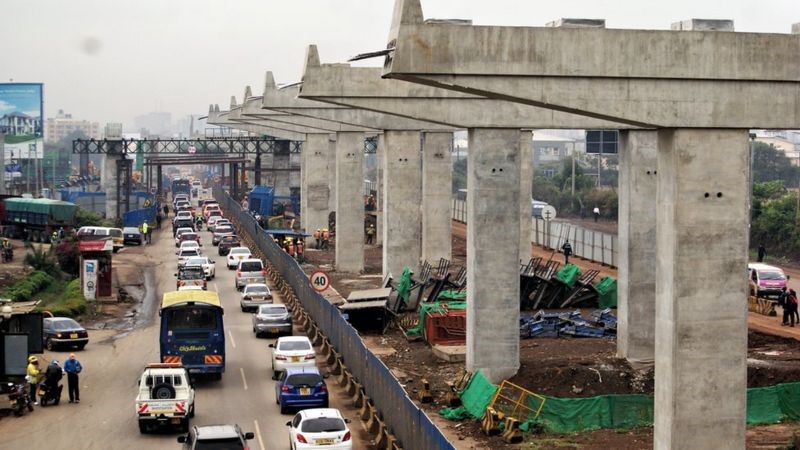
The Sh62 billion Nairobi Expressway is now 64 percent complete and is expected to be fully in use by April 2022.The Transport Cabinet Secretary (CS) James Macharia confirmed that it is now 64 per cent complete, and will be commissioned by the president in 6 months. According to the CS, the expressway is headed toward the right direction and his confidence in the project clearly states that it is progressing well and it will be ready for use early next year. He said that test runs on the road will be in March 2022 since the contractors are expected to complete the construction work by February 2022. After visiting the site to check the progress of the project, Macharia stated that the work will be completed in two years instead of the earlier stated four years. The contractors worked very hard, 24 hours a day, under tight security and this helped shorten the project period. The Expressway is a big progress project and it should not be seen just as an infrastructural project. When infrastructure and especially roads are developed in a country, many sectors benefit and most operations of a country become easier, this is what the expressway is about. It will not only ease transportation but will also move labour and capital much faster from one point to another. Nobody feels good when almost half of their productive time is spent on the road, well, the 27.1 KM Highway from Mlolongo through Uhuru Highway to the James Gichuru junction in Westlands, Nairobi Expressway is just about to help you save your time. Immediately it is completed, the time taken to travel from Ruaka to JKIA (Jomo Kenyatta International Airport) will take a maximum of 30 minutes instead of the normal two to three hours. Agricultural produce from Kiambu will take less than an hour to get to JKIA and to markets in the city. It should be noted that the backbone to every economy is good infrastructure and the project is worthy of praise as the citizens will reap the benefits. Kenyans should appreciate the good work that the government is doing in developing the transport sector with no debt incurred as the Expressway construction is purely Public-Private partnership. The China Roads and Bridge Corporation(CRBC) is responsible for designing, financing and building the expressway, and will maintain and operate it during the whole period. One cannot crave or enjoy the roses and avoid the thorns that come with it. Similarly, the Expressway project which commenced in late 2020, has come at a cost for businesses and residents along Mombasa Road. In order to get access to the expressway land by KeNHA (Kenya National Highway Authority) residents, property owners and business owners had to be evicted. This disrupted their day-to-day lifestyles. Motorists using both Uhuru Highway and Mombasa Road have also been forced to use alternative routes as construction work continues to create tragic traffic. This is a challenge especially during the rush hour to get home before the curfew time that was imposed in 5 counties, a move to help curb the spread of Covid- 19. The situation is however temporary as the project will ensure easy flow of traffic. So far, the contractor has spent Sh40 billion of the Sh62 billion budget which is meant for completing the whole project. This is a commendable achievement since the project started late last year.
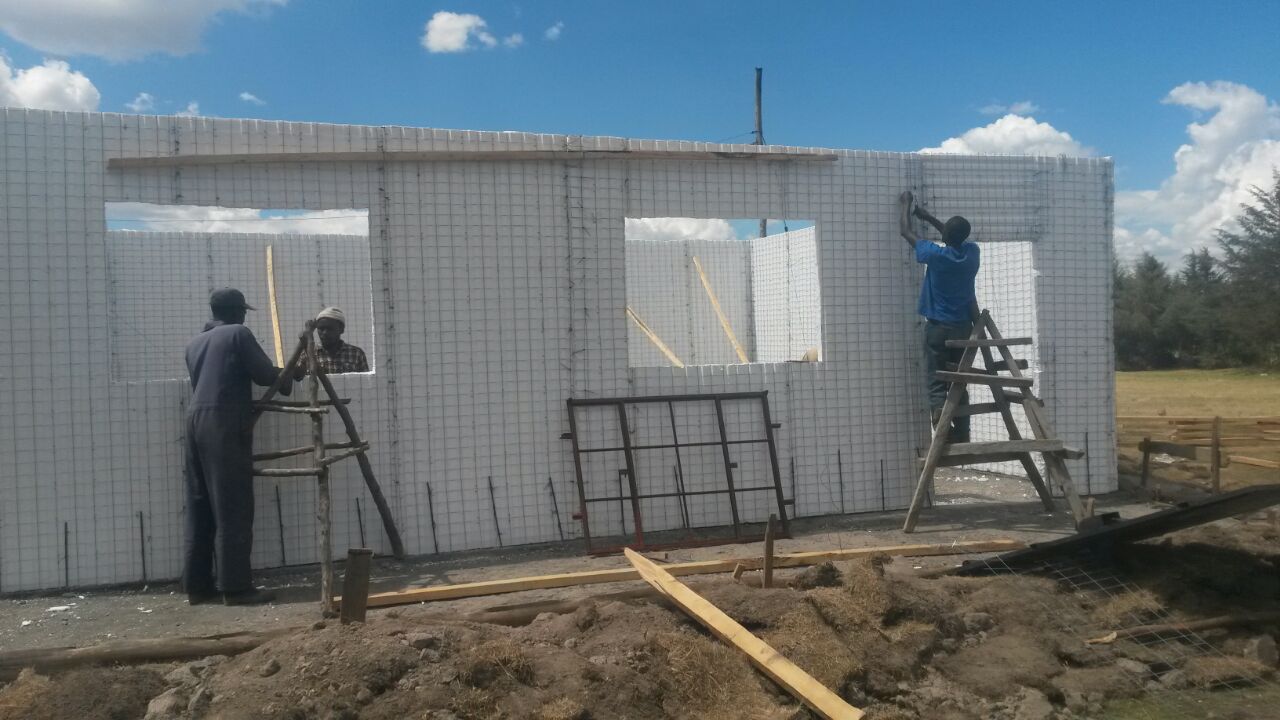
In Kenya, real estate developers are increasingly turning to innovative construction methods to address the mounting costs of building projects while upholding structural quality. Among these pioneering techniques is the utilization of Expanded Polystyrene (EPS) construction, a process that involves the assembly of houses by incorporating EPS panels sandwiched between steel wire mesh and enveloped with concrete on both sides. EPS panels, composed of solid beads of polystyrene, are produced in a factory and then transported to the construction site for assembly, significantly curbing material wastage and thereby reducing costs. A typical 100-square-meter, two-bedroom house requires approximately 70 panels, each weighing 15 kilograms, which means an entire house can be transported in a single lorry load. Construction Efficiency According to Kenrick Miako, a director at Mikooh Exquisite Ltd., a company that has successfully utilized EPS panels in the construction of flats in Rongai, this innovative technology has allowed them to slash their construction expenses by 25% while halving the construction timeline. Miako emphasizes, “This technology not only reduces labor costs and construction time but also demands less reinforcement due to its lightweight nature. Additionally, it offers savings in the foundation phase.” These lightweight panels are employed in erecting walls, stairways, floors, and perimeter walls. Bricks are only used in the foundation, with EPS panels taking over from there up to the slab, resulting in superior structures and enabling high-quality finishes. Multi-Story Structures Remarkably, despite their lightness, modular houses built with EPS technology are robust enough to withstand natural disasters more effectively than those constructed with traditional materials. EPS technology can be extended to the construction of buildings up to 20 stories high. Mike Juma, an engineering technologist at the National Housing Corporation (NHC), explains, “Buildings collapse primarily due to their own weight. EPS is exceptionally lightweight and possesses a superior strength-to-weight ratio compared to conventional building blocks.” With a 35mm concreting of EPS panels and 15mm plaster finishes on both sides of the wall, the result is a thickness equivalent to a standard 9×9 building block. Juma further states that a four-story building without columns or a double wall panel project ranging from 11 to 20 stories without columns can be accomplished. “For buildings with frame structures,” he adds, “the height can be virtually limitless as EPS panels can be used as filler materials.” In 2011, NHC established an EPS panel manufacturing facility in Mavoko, Machakos County, and has since employed EPS technology in the construction of residential flats nationwide. They have also collaborated with private investors across the country who have adopted this cost-effective technology. Construction Costs Regarding the cost of EPS building technology in Kenya, Juma notes that panels are produced in various modules and variations of wall and slab panels, each with differing price points. For instance, a builder can construct a wall using EPS panels for approximately KES 1,800 per square meter and a slab for about KES 2,350 per square meter. This translates to approximately KES 600,000 for a studio flat and around KES 1.5 million for a standard two-bedroom house. While the adoption of EPS panels as a construction method is relatively new in Kenya, it has been widely utilized in developed countries for years due to its durability, lightweight nature, ease of installation, and cost-saving advantages. Other benefits include thermal insulation, maintaining comfortable temperatures, high resistance to fire and other hazards, and structures that are soundproof and impervious to termites, rodents, and other pests due to the material’s lack of nutritional value. Drawbacks Nevertheless, one notable drawback of EPS technology is that polystyrene is an oil-based product that isn’t easily recyclable on an industrial scale. Consequently, EPS foam waste often finds its way into the environment, where it remains non-degradable, breaking down into harmful particles over time, posing risks to both humans and animals.
Delving into the world of interior design unveils the transformative power that carefully curated spaces wield in shaping the ambiance of a home. Beyond the structural confines, the art of interior décor is an intricate dance that blends personal flair with design principles, elevating living spaces into sanctuaries of style and comfort. Whether you’re the proud owner of a dwelling or customizing a rental space, the quest for personalization remains a common thread, driving the desire to infuse every nook and cranny with individuality. According to Pence Engoyi, a seasoned professional at the helm of A Plus Interiors Limited, the linchpin of successful interior design lies in understanding and embracing the client’s unique style. Engoyi emphasizes the importance of choosing a design style that resonates with the individual, offering an array of options from classical and modern to rustic and afro-modern. This conscious selection, termed the ‘design style,’ becomes the guiding force, ensuring coherence and unity throughout a particular room. Diversity in design is encouraged, with Engoyi suggesting that different styles can be embraced in distinct rooms. However, a cautionary note is sounded against the temptation to amalgamate disparate styles within a single space. Such an approach, he warns, can lead to a visual cacophony, diminishing the intended impact and cohesiveness of the design. Engoyi further advises homeowners to extend their commitment to a chosen style across all elements, from furniture and carpets to flooring and ceiling treatments. The holistic integration of these components contributes to a seamless and harmonious aesthetic that resonates throughout the home. In contemplating the longevity of design styles, Engoyi dispels the notion of trends becoming outdated, asserting that styles may ebb and flow in popularity but can be timeless when thoughtfully applied. Vintage and gothic designs, he notes, possess enduring appeal when employed with a discerning eye for balance. For those navigating the complexities of interior design, Engoyi extols the advantages of enlisting a professional interior designer. These experts not only engage in meticulous space planning to optimize functionality but also provide bespoke solutions, ensuring that each space is a reflection of the occupants’ lifestyle and preferences. Masterclass, an esteemed online education platform, imparts valuable insights for beginners in the realm of interior design. Beyond the selection of a design style, the platform underscores the significance of identifying a focal point within each room. Whether it be an eye-catching piece of art, a statement fireplace, or an elegant couch, the focal point serves as the anchor, drawing attention and setting the tone for the entire space. Achieving visual balance, according to Masterclass, involves a nuanced understanding of scale, texture, and positioning. The distribution of visual weight, whether through a juxtaposition of large and small items or the careful placement of elements at different heights, contributes to a sense of equilibrium and completeness in every room. In essence, interior design emerges as a harmonious symphony of personal expression and design principles. The careful orchestration of diverse elements, guided by an understanding of style, balance, and functionality, transforms a house into a captivating and inviting home—a reflection of the unique spirit of those who dwell within its walls. Interior Design: Crafting a Cohesive and Inviting Home Atmosphere Delving into the world of interior design unveils the transformative power that carefully curated spaces wield in shaping the ambiance of a home. Beyond the structural confines, the art of interior décor is an intricate dance that blends personal flair with design principles, elevating living spaces into sanctuaries of style and comfort. Whether you’re the proud owner of a dwelling or customizing a rental space, the quest for personalization remains a common thread, driving the desire to infuse every nook and cranny with individuality. According to Pence Engoyi, a seasoned professional at the helm of A Plus Interiors Limited, the linchpin of successful interior design lies in understanding and embracing the client’s unique style. Engoyi emphasizes the importance of choosing a design style that resonates with the individual, offering an array of options from classical and modern to rustic and afro-modern. This conscious selection, termed the ‘design style,’ becomes the guiding force, ensuring coherence and unity throughout a particular room. Diversity in design is encouraged, with Engoyi suggesting that different styles can be embraced in distinct rooms. However, a cautionary note is sounded against the temptation to amalgamate disparate styles within a single space. Such an approach, he warns, can lead to a visual cacophony, diminishing the intended impact and cohesiveness of the design. Engoyi further advises homeowners to extend their commitment to a chosen style across all elements, from furniture and carpets to flooring and ceiling treatments. The holistic integration of these components contributes to a seamless and harmonious aesthetic that resonates throughout the home. In contemplating the longevity of design styles, Engoyi dispels the notion of trends becoming outdated, asserting that styles may ebb and flow in popularity but can be timeless when thoughtfully applied. Vintage and gothic designs, he notes, possess enduring appeal when employed with a discerning eye for balance. For those navigating the complexities of interior design, Engoyi extols the advantages of enlisting a professional interior designer. These experts not only engage in meticulous space planning to optimize functionality but also provide bespoke solutions, ensuring that each space is a reflection of the occupants’ lifestyle and preferences. Masterclass, an esteemed online education platform, imparts valuable insights for beginners in the realm of interior design. Beyond the selection of a design style, the platform underscores the significance of identifying a focal point within each room. Whether it be an eye-catching piece of art, a statement fireplace, or an elegant couch, the focal point serves as the anchor, drawing attention and setting the tone for the entire space. Achieving visual balance, according to Masterclass, involves a nuanced understanding of scale, texture, and positioning. The distribution of visual weight, whether through a juxtaposition of large and small items or the careful placement of elements at different heights, contributes to a sense of equilibrium and completeness in