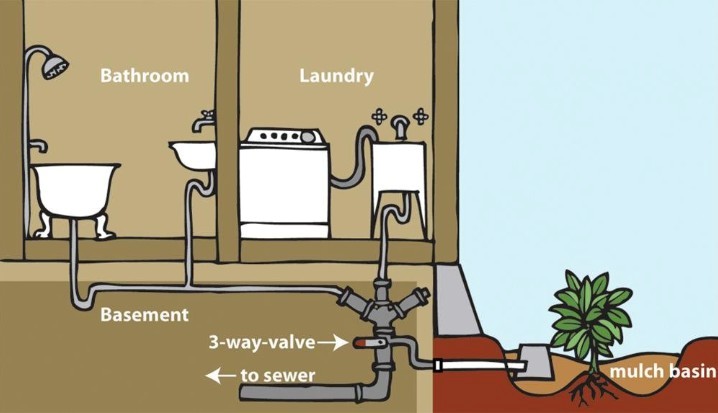
Water scarcity is no longer a distant environmental threat; it is a daily reality for millions of people. In Kenya, prolonged droughts, rapid population growth, urbanization, and climate change have placed immense pressure on limited water resources. While large-scale solutions such as dams, boreholes, and water transfer projects often dominate public discussions, one critical solution is frequently overlooked: smart plumbing. The way water is distributed, used, and managed within homes, institutions, and industries plays a major role in either conserving or wasting this precious resource.
Plumbing systems are the final link between water sources and users. Unfortunately, many plumbing systems in Kenya are outdated, poorly installed, or poorly maintained. Leaking pipes, faulty taps, and inefficient fixtures silently waste thousands of litres of water every day. A single leaking tap can waste over 20 litres of water in a day, while an underground pipe leak can go unnoticed for months, causing massive water loss. In a country where some communitie walk kilometres to fetch water, such wastage is both economically and morally costly.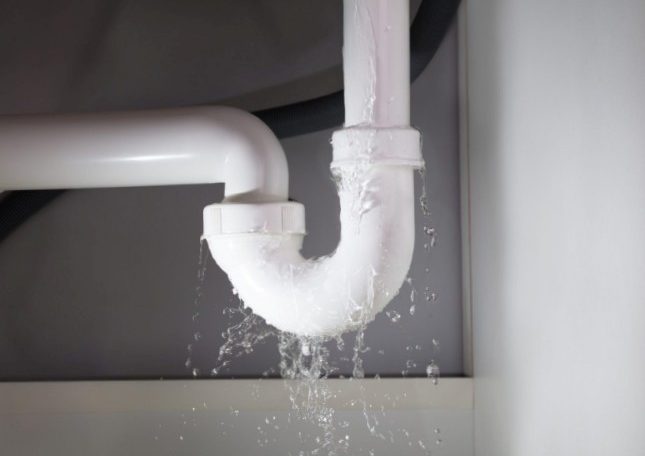
Smart plumbing offers practical solutions to this challenge. At its core, smart plumbing involves the use of efficient designs, modern materials, and technology to minimize water loss and maximize water use efficiency. For example, low-flow taps, showerheads, and dual-flush toilets significantly reduce water consumption without compromising functionality. These fixtures are especially effective in urban homes, hostels, hotels, and offices where water demand is high.
Another important aspect of smart plumbing is leak detection and prevention. Modern plumbing systems can incorporate pressure sensors and smart meters that detect unusual water flow, alerting users to leaks in real time. Early detection not only saves water but also reduces repair costs and prevents structural damage to buildings. Even without advanced technology, proper pipe installation, regular inspection, and timely maintenance can drastically cut water losses.
Rainwater harvesting is another smart plumbing solution with great potential in Kenya. Many buildings have large roof surfaces that can collect significant amounts of rainwater, yet this water is often wasted. With proper plumbing systems—gutters, storage tanks, filters, and distribution pipes—rainwater can be safely used for cleaning, flushing toilets, irrigation, and even laundry. This reduces dependence on treated water and eases pressure on municipal water supplies, especially during dry seasons.
Smart plumbing also plays a vital role in public institutions such as schools and hospitals. In many schools, broken taps and leaking toilets are common, leading to chronic water shortages and poor sanitation. Installing durable fixtures, training caretakers in basic plumbing maintenance, and conducting routine inspections can greatly improve water availability and hygiene. For hospitals, efficient plumbing is not just about conservation but also about infection control and patient safety.
Despite its benefits, the adoption of smart plumbing faces several challenges. The initial cost of modern fixtures and systems can discourage homeowners and institutions. There is also limited public awareness about how much water is lost through inefficient plumbing. Additionally, some plumbers lack training in modern water-saving technologies, leading to poor installations that defeat the purpose of conservation.
Addressing these challenges requires a collective effort. Government agencies can promote water-efficient plumbing through building codes and incentives. Training institutions should equip plumbers with up-to-date skills in sustainable plumbing practices. Media and journalists have a role to play in educating the public about water conservation and exposing the hidden cost of poor plumbing. Homeowners, landlords, and institutions must also take responsibility by investing in quality plumbing and regular maintenance.
Smart plumbing may not grab headlines like mega water projects, but its impact on water conservation is profound. By reducing leaks, improving efficiency, and promoting alternative water sources such as rainwater harvesting, smart plumbing can save millions of litres of water every year. In a water-scarce country like Kenya, every drop counts—and the solution may be right beneath our feet, flowing through the pipes we often take for granted.