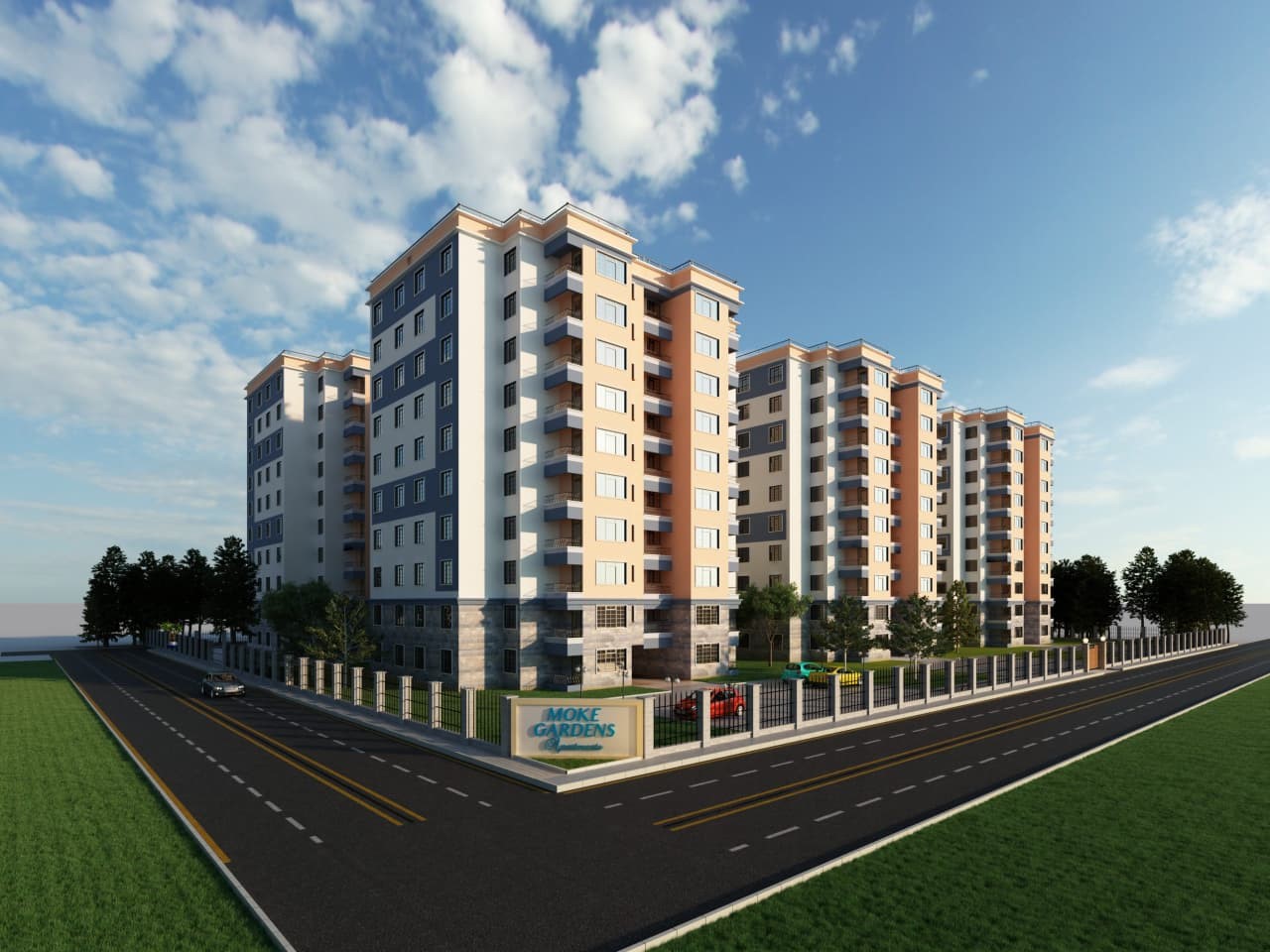
Affordable housing has quietly become the backbone of construction growth in Kenya and across East Africa. While mega infrastructure projects often dominate headlines, it is the steady rise of affordable housing developments that is sustaining contractors, absorbing labor, and reshaping urban landscapes. No other sector currently contributes as consistently and as widely to construction activity as affordable housing.
Kenya’s housing deficit, estimated in the millions, is not just a social crisis; it is an economic opportunity. Every unmet housing need represents a construction project waiting to happen. As urban populations grow in Nairobi, Mombasa, Kisumu, Nakuru, and emerging towns, demand for decent and affordable shelter continues to rise. This demand has created a reliable pipeline of work for builders, engineers, architects, suppliers, and artisans, making housing the most dependable driver of construction growth.
Government intervention has played a crucial role in transforming affordable housing into a catalyst for construction. Through public–private partnerships, incentives, and flagship programs, the state has lowered the entry barriers for developers and encouraged the delivery of large-scale housing. Unlike luxury real estate, which depends heavily on market cycles, affordable housing enjoys constant demand. This stability allows construction firms to plan long-term, invest in equipment, and retain skilled workers, strengthening the sector overall.
One of the most overlooked impacts of affordable housing is job creation. Construction sites linked to housing projects employ thousands of people daily, many of them young and semi-skilled. Beyond the sites, entire supply chains come alive — cement factories run at higher capacity, steel manufacturers expand output, transporters make more trips, and hardware stores thrive. In this way, affordable housing spreads economic benefits far beyond the walls of the houses being built.
Affordable housing has also forced the construction industry to innovate. To keep costs low, developers are adopting faster and cheaper building technologies such as prefabricated components, modular designs, and alternative materials.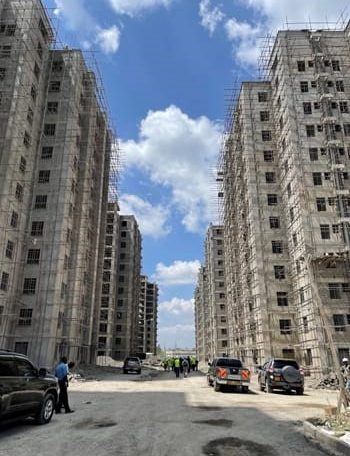 These methods are not only reducing costs but also modernizing construction practices across the region. Without the pressure created by affordable housing targets, this level of innovation would have taken much longer to reach mainstream construction.
The ripple effects are visible in urban expansion patterns. Affordable housing projects often open up new areas, triggering demand for roads, water, sewer lines, electricity, schools, and health facilities. Each of these supporting services translates into additional construction work. Satellite towns around Nairobi and regional capitals across East Africa are growing largely because housing developments made them viable in the first place.
Regionally, the impact extends beyond Kenya. Countries such as Tanzania, Uganda, Rwanda, and Ethiopia face similar housing challenges and have embraced housing-led development. This has encouraged cross-border collaboration among contractors, consultants, and suppliers, effectively creating a regional construction market. Affordable housing has become a shared growth agenda, not just a national policy choice.
Critics often focus on financing challenges or slow delivery, but they miss the bigger picture. Affordable housing is not a cost to the economy; it is an investment with guaranteed returns in employment, skills development, and industrial growth. It anchors construction activity even during economic slowdowns, making it one of the most resilient pillars of the sector.
In conclusion, affordable housing is doing more than putting roofs over heads. It is powering construction growth, stimulating innovation, and supporting livelihoods across Kenya and East Africa. As long as the housing gap remains, construction will continue to thrive. The future of the construction industry in the region is being built not in luxury towers, but in affordable homes that meet real needs and drive real growth.