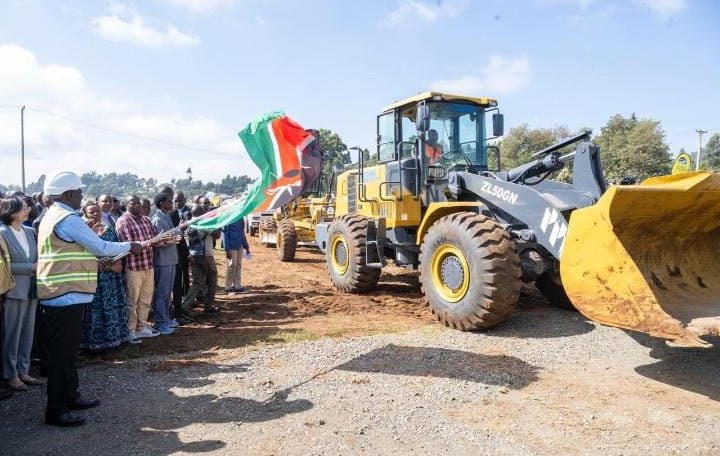
 The ongoing dualling of the Rironi–Mau Summit Highway represents a major milestone in Kenya’s adoption of modern building and construction technologies. Beyond easing traffic congestion and improving connectivity, the project stands out as a showcase of how advanced engineering, innovative materials, and smart construction methods are transforming the country’s infrastructure landscape. It reflects a shift from conventional road building to technology-driven, durable, and future-ready transport systems.
At the core of the project is a redesigned highway structure built to international standards. Engineers are applying advanced geometric road design techniques that allow for safer curves, better gradients, and improved visibility. Using computer-aided design (CAD) and Building Information Modelling (BIM), planners can simulate traffic flow, structural performance, and drainage behavior before construction begins. This technology-driven approach minimizes design errors, reduces construction delays, and ensures that the highway meets long-term performance and safety requirements.
Material technology is another defining feature of the Rironi–Mau Summit upgrade. The project makes extensive use of high-performance asphalt and reinforced concrete designed to withstand heavy axle loads from trucks and long-distance buses. Polymer-modified bitumen is being used in critical sections to improve flexibility and resistance to cracking, especially in areas prone to temperature variation and heavy rainfall. These advanced materials significantly extend the lifespan of the road while reducing maintenance costs over time.
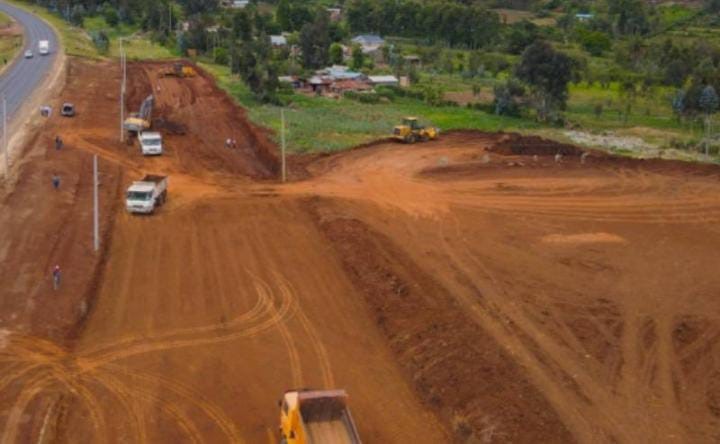
Modern earthworks and foundation technologies are also central to the project’s success. Heavy-duty machinery equipped with GPS-guided systems is being used for excavation, grading, and compaction. This technology ensures precise levels and uniform compaction, which are essential for road stability and durability. Improved subgrade treatment methods, including soil stabilization with lime and cement, are being applied in weak soil areas to prevent premature pavement failure.
Drainage and water management systems along the highway reflect contemporary engineering thinking. Engineers are constructing lined drains, culverts, and cross-drainage structures using precast concrete technology. Precast elements not only speed up construction but also improve quality control, as components are manufactured under controlled conditions. Proper drainage is critical in preserving pavement integrity, particularly in high-rainfall sections of the corridor.
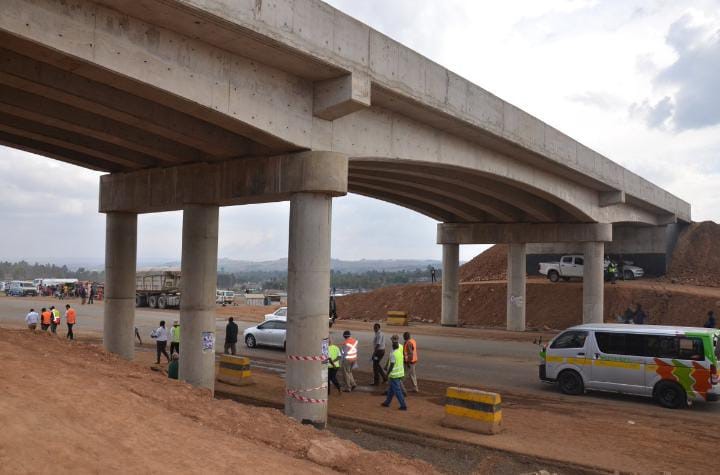
The project incorporates modern bridge design using reinforced and prestressed concrete, allowing for longer spans and reduced material usage. Prefabrication techniques are being applied to accelerate construction while maintaining high safety and quality standards. These structures are designed
to accommodate future traffic growth without the need for major alterations.
Technology is also being integrated into traffic management and safety systems. The upgraded highway will feature intelligent transport systems (ITS), including automated toll collection, surveillance cameras, variable message signs, and modern lighting solutions. These systems enhance traffic efficiency, improve enforcement, and provide real-time information to road users. From a building technology perspective, the integration of digital systems into physical infrastructure represents a major leap forward.
Sustainability considerations have been embedded into the construction process. Contractors are increasingly using energy-efficient equipment, recycling milled asphalt, and sourcing materials locally to reduce the project’s carbon footprint. Environmental impact monitoring technologies are being deployed to manage dust, noise, and material waste, ensuring compliance with environmental standards while promoting responsible construction practices.
In essence, the Rironi–Mau Summit Highway dualling project is a living classroom for modern building and construction technology in Kenya. It demonstrates how innovation, engineering expertise, and smart use of technology can deliver infrastructure that is safer, stronger, and more sustainable. As the project progresses, it sets a new benchmark for road construction in the country and signals a future where technology-driven building solutions play a central role in national development.