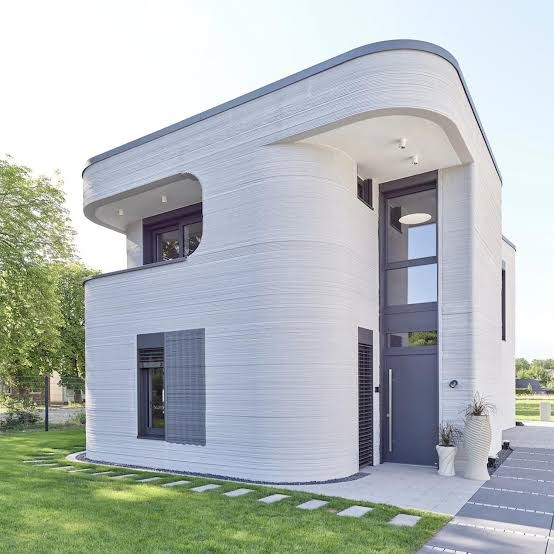
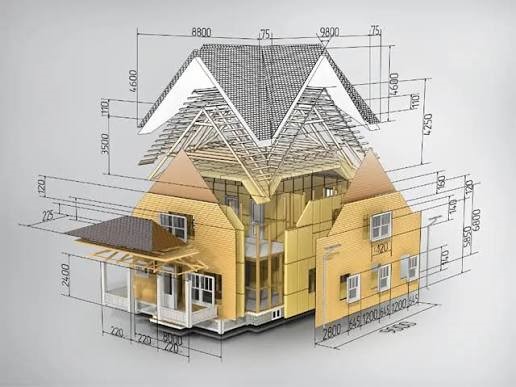
 3D printing is rapidly emerging as one of the most revolutionary technologies in the global construction sector. What began as a futuristic concept—machines printing houses layer by layer—has now become a practical solution used in countries such as the United States, the Netherlands, and the UAE. As East Africa continues to face rapid urbanisation, population growth, and an urgent demand for affordable housing, the big question arises: Can East Africa realistically adopt 3D printing in construction? The answer is promising, though not without challenges.
3D printing in construction, also known as additive manufacturing, involves using advanced machines to extrude concrete or other building materials in layers to create walls, floors, and structural components. This method reduces reliance on traditional bricklaying, speeds up construction timelines, and dramatically lowers labour and material costs. For a region where housing shortages are a persistent issue—especially in Kenya, Uganda, Tanzania, and Rwanda—3D printing presents a potentially transformative solution.
One of the most significant advantages of 3D-printed construction is speed. A typical 3D-printed house can be completed in 24 to 72 hours, compared to weeks or months using conventional methods. This rapid pace could help governments and private developers tackle the widening housing gap more efficiently. Kenya alone faces a deficit of more than two million housing units, and affordable housing remains a central national agenda. 3D printing offers a realistic pathway to reduce this deficit by enabling mass-scale, rapid, and cost-friendly home production.
Another strength of 3D printing lies in its cost-effectiveness. Using automated systems reduces the need for a large workforce, and because materials are dispensed precisely, wastage is minimized. Builders can save up to 30 percent in material usage and nearly 50 percent in labor costs. In East Africa, where construction budgets are often limited and material prices fluctuate due to imports, such savings could be a major breakthrough. Additionally, 3D printing supports the use of locally sourced raw materials, which can further reduce dependence on expensive imported construction inputs.
Environmental sustainability also makes 3D printing attractive. The technology allows for energy-efficient designs, reduced carbon emissions, and eco-friendly building mixtures. As East Africa increasingly feels the effects of climate change—frequent floods, droughts, and unpredictable weather—sustainable construction is no longer optional but necessary. Printed homes can be engineered to withstand harsh environmental conditions, making them ideal for vulnerable communities in need of durable shelter.
Despite the potential, adopting 3D construction in East Africa does not come without challenges. The technology requires significant initial investment, as 3D printers for construction are expensive and specialized. Many local contractors and government agencies may lack the technical capacity to operate these machines, which calls for training, partnerships, and updated construction policies. Additionally, some national building codes may not yet recognize 3D-printed structures, creating legal and regulatory gaps that must be addressed before full adoption is possible.
Infrastructure limitations also pose obstacles. Reliable electricity, stable internet, and well-maintained roads are all essential for the deployment of large-scale 3D printing technologies. Some rural areas may struggle with these requirements, meaning the technology might initially be more feasible for urban centres or pilot projects.
However, early signs of adoption are already visible. Globally, 3D-printed homes have proven successful in providing disaster relief housing, low-cost estates, and innovative architectural designs. East Africa can learn from these examples, especially by partnering with international technology firms and universities to pilot projects, build demonstration homes, and develop skilled labour.
In conclusion, 3D printing in construction represents a bold and innovative solution for East Africa’s housing and infrastructure challenges. While obstacles such as cost, skills, and policy exist, the long-term benefits—speed, affordability, sustainability, and resilience—make it an opportunity worth pursuing. With the right planning and investment, East Africa could become one of the regions that adopt and benefit from this groundbreaking technology, potentially setting a new standard for building the future.