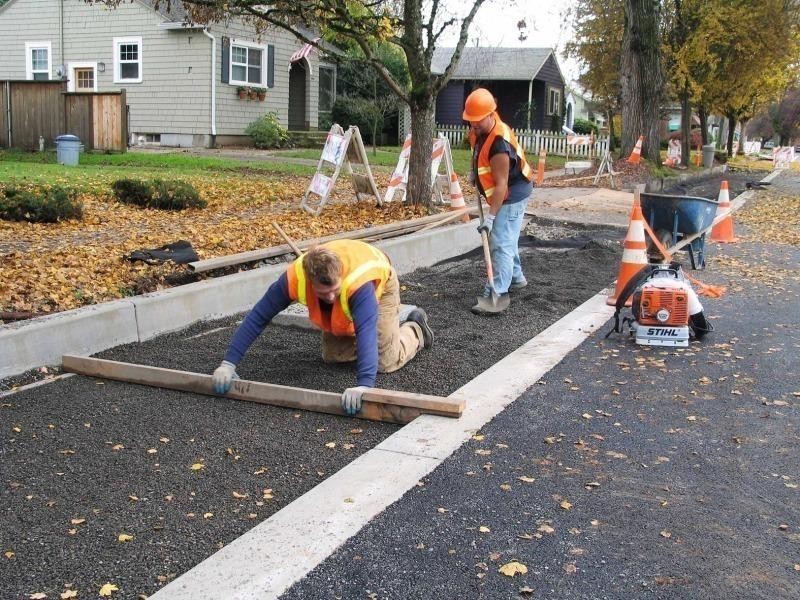
For decades, asphalt and conventional concrete have been the dominant materials used to build roads around the world. These materials have supported the expansion of cities, connected communities, and enabled the movement of goods and people. However, growing concerns over climate change, construction costs, plastic pollution, resource depletion, and increasing traffic are forcing the construction industry to rethink how roads are built.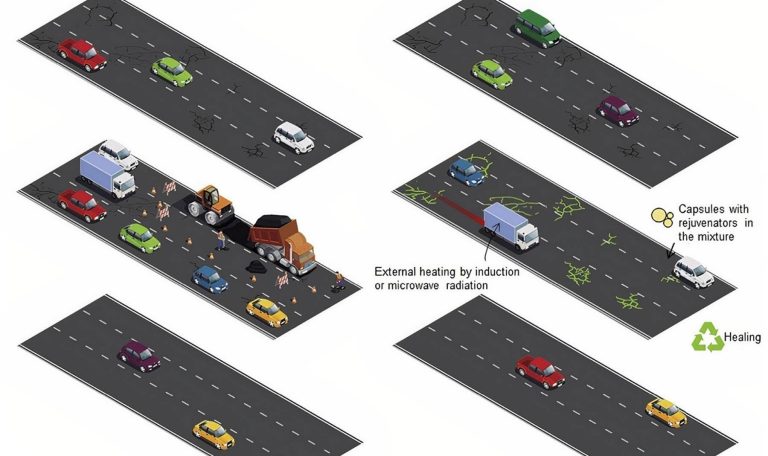
The next generation of road construction is moving beyond conventional asphalt toward materials that are more durable, sustainable, environmentally friendly, and capable of responding to changing conditions. Innovations such as self-healing asphalt, recycled plastic roads, permeable pavements, and low-carbon concrete are changing the possibilities for modern infrastructure.
One of the most promising developments is self-healing asphalt. Traditional asphalt gradually develops cracks because of heavy traffic, temperature changes, water infiltration, and repeated loading. If these cracks are not repaired early, they can develop into potholes and larger structural failures.
Researchers are developing asphalt mixtures capable of repairing small cracks through different mechanisms. Some approaches use special additives or materials that respond to heat, while others incorporate capsules containing healing agents. When activated, these materials help restore the damaged asphalt, potentially extending the road’s service life and reducing the frequency of maintenance.
For countries facing high road maintenance costs, self-healing materials could offer significant long-term benefits. Instead of repeatedly repairing small cracks, road agencies could use materials designed to slow deterioration from the beginning.
Another innovation attracting attention is the use of waste plastic in road construction. Plastic waste is one of the world’s major environmental challenges, with discarded plastic accumulating in landfills, waterways, and urban environments.
Researchers and road engineers have explored ways of incorporating certain processed plastic materials into asphalt mixtures. Depending on the technology and material used, plastic can replace a portion of conventional components or act as a modifying agent.
For East African cities struggling with plastic waste, the approach offers an interesting opportunity to connect waste management with infrastructure development. Instead of plastic ending up in drainage systems and contributing to flooding, suitable recovered materials could potentially become part of engineered road products.
However, plastic roads require careful technical standards. Not every type of plastic is suitable, and processing, temperature control, environmental impacts, and long-term performance must be properly assessed before large-scale adoption.
Modern road construction is also responding to anoth
er growing challenge: urban flooding. Conventional pavement surfaces prevent rainwater from naturally infiltrating the ground. During heavy rainfall, large volumes of water run across roads and other hard surfaces, placing pressure on drainage systems.
Permeable pavement provides an alternative. These specially designed surfaces allow some rainwater to pass through the pavement and into underlying layers, where it can infiltrate the soil or be temporarily stored.
The technology can help reduce surface runoff, improve stormwater management, and lower the risk of localized flooding. It can be particularly useful for parking areas, pedestrian paths, residential streets, and other applications where traffic loads are suitable.
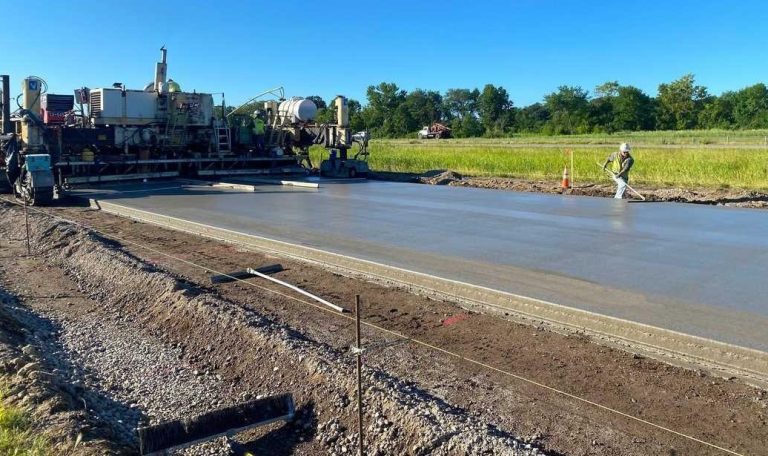
Concrete remains one of the world’s most widely used construction materials, but conventional cement production has a significant carbon footprint. As governments and construction companies pursue climate targets, researchers are developing low-carbon concrete that reduces emissions associated with traditional cement production.
Alternative binders, supplementary cementitious materials, recycled aggregates, and other innovations can reduce the amount of conventional cement required in certain concrete applications. These technologies could become increasingly important for bridges, drainage structures, road barriers, culverts, and other infrastructure components.
The transition toward innovative construction materials will not happen overnight. New technologies must demonstrate durability, safety, affordability, environmental performance, and compatibility with local construction practices before widespread adoption.
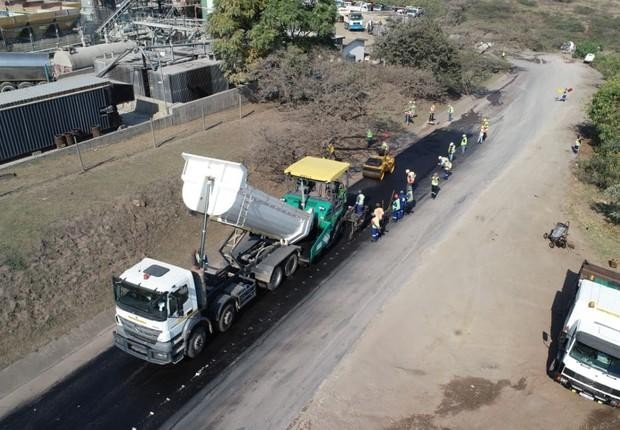
For East Africa, the opportunity is particularly significant. Rapid urbanization means the region will require thousands of kilometres of new and rehabilitated roads in the coming decades. Using innovative materials could help governments build infrastructure that lasts longer, requires less maintenance, manages climate-related risks, and reduces environmental impacts.
Ultimately, the future of road construction will not simply be about building more roads. It will be about building better roads.
The road of tomorrow could be designed to repair itself, absorb rainwater, incorporate recovered materials, and generate significantly fewer emissions than conventional infrastructure. As technology continues to advance, the construction industry has an opportunity to transform roads from passive surfaces into smarter, more resilient infrastructure capable of meeting the demands of a changing world.