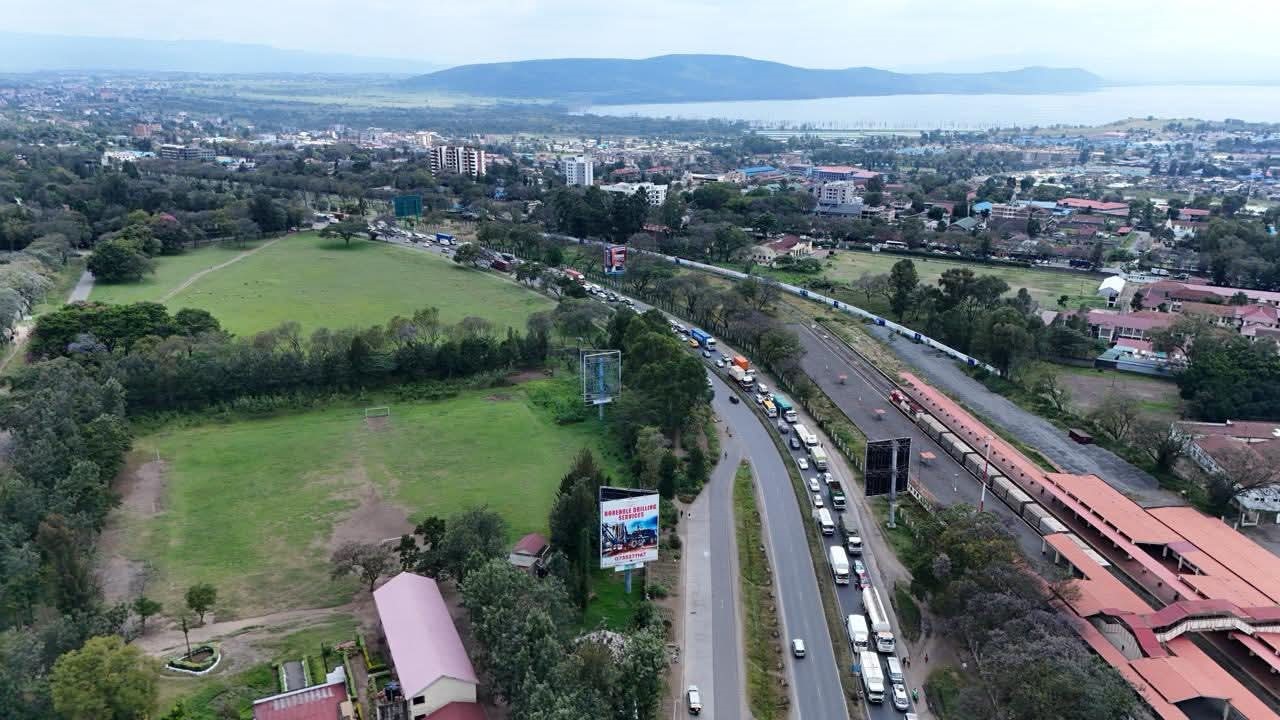
The planned expansion of the Mahia–Mau Road is a critical infrastructure intervention aimed at improving road safety, traffic efficiency, and long-term pavement performance along one of the most accident-prone corridors in the region. From an engineering standpoint, the upgrade addresses the root causes of crashes through geometric redesign, structural strengthening, drainage improvement, and the integration of modern traffic control systems.
Improved Road Geometry and Sight Distance
A major contributor to accidents on the existing Mahia–Mau Road is substandard geometry, including sharp horizontal curves, steep gradients, and inadequate stopping sight distance. The expansion design includes curve realignment, optimized gradients, and widening of the carriageway to meet national highway design standards. Increasing the radius of curves and flattening excessive slopes will enhance driver visibility and vehicle stability, reducing loss-of-control incidents and head-on collisions.
Lane Widening and Shoulder Provision
The upgraded corridor will provide wider lanes and paved shoulders in accordance with design specifications. Narrow lanes currently force vehicles into close lateral interaction, increasing the likelihood of side-swipe collisions. Wider lanes will improve maneuverability, while paved shoulders will serve as recovery areas for errant vehicles and safe zones for emergency stops. The presence of shoulders also improves structural support for the pavement edge, minimizing edge failures that can destabilize vehicles.
Structural Rehabilitation and Pavement Quality
Pavement distress such as potholes, rutting, and cracking significantly increases accident risk by disrupting vehicle control and causing sudden braking or swerving. The expansion project includes full-depth pavement rehabilitation and the use of durable surfacing materials with improved skid resistance. A high-quality wearing course will enhance tire–road friction, reducing braking distance particularly under wet conditions and lowering the incidence of skidding-related crashes.
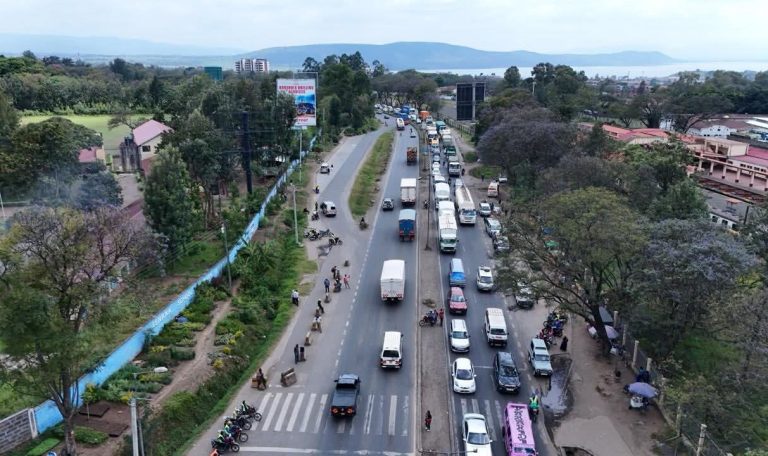 Drainage and Stormwater Management
Poor drainage is a common cause of pavement deterioration and hydroplaning accidents. The proposed works incorporate redesigned side drains, culverts, and cross-drainage structures to rapidly convey stormwater away from the carriageway. By minimizing water accumulation on the road surface and preventing subgrade weakening, the expansion will improve pavement longevity and maintain safe driving conditions during heavy rainfall.
Traffic Engineering and Control Devices
The expansion integrates modern traffic engineering solutions including upgraded signage, reflective pavement markings, and lane delineators. High-visibility markings and warning signs at curves, junctions, and pedestrian crossing points will enhance driver guidance, particularly at night and in adverse weather. Where traffic volumes warrant, the introduction of median islands, roundabouts, or controlled intersections will reduce conflict points and slow traffic in high-risk zones.
Pedestrian and Non-Motorized Transport (NMT) Facilities
A significant proportion of accidents occur due to the interaction between vehicles and vulnerable road users. The upgraded Mahia–Mau Road design provides for sidewalks, walkways, and designated crossing points in built-up areas. Separating pedestrian flows from vehicular traffic is an evidence-based safety measure that drastically lowers pedestrian fatalities and injuries.
Construction of Safety Features and Roadside Protection
Installation of guardrails, crash barriers, and embankment protection along hazardous sections will prevent run-off-road accidents and mitigate the severity of impacts. Clear zones will be established by removing roadside obstacles and stabilizing slopes, further reducing the risk of fatal crashes due to collisions with fixed objects.
The expansion of the Mahia–Mau Road is more than a capacity upgrade; it is a comprehensive safety engineering project designed to eliminate crash causation factors through better geometry, stronger pavement, efficient drainage, and modern traffic systems. Once fully implemented, the upgraded corridor is expected to deliver measurable reductions in accidents, injuries, and fatalities while supporting sustainable mobility and economic growth in the region.